
UNIVERSITY BLEND OF INTELLECTUAL DISCOURSE WITH THE STATE OF THE NATION

Convocation/ Zik’s Lecture: Abaribe extols Zik’s philosophy, says Africa, Nigeria still searching for leadership decades after elder-statesman’s demise
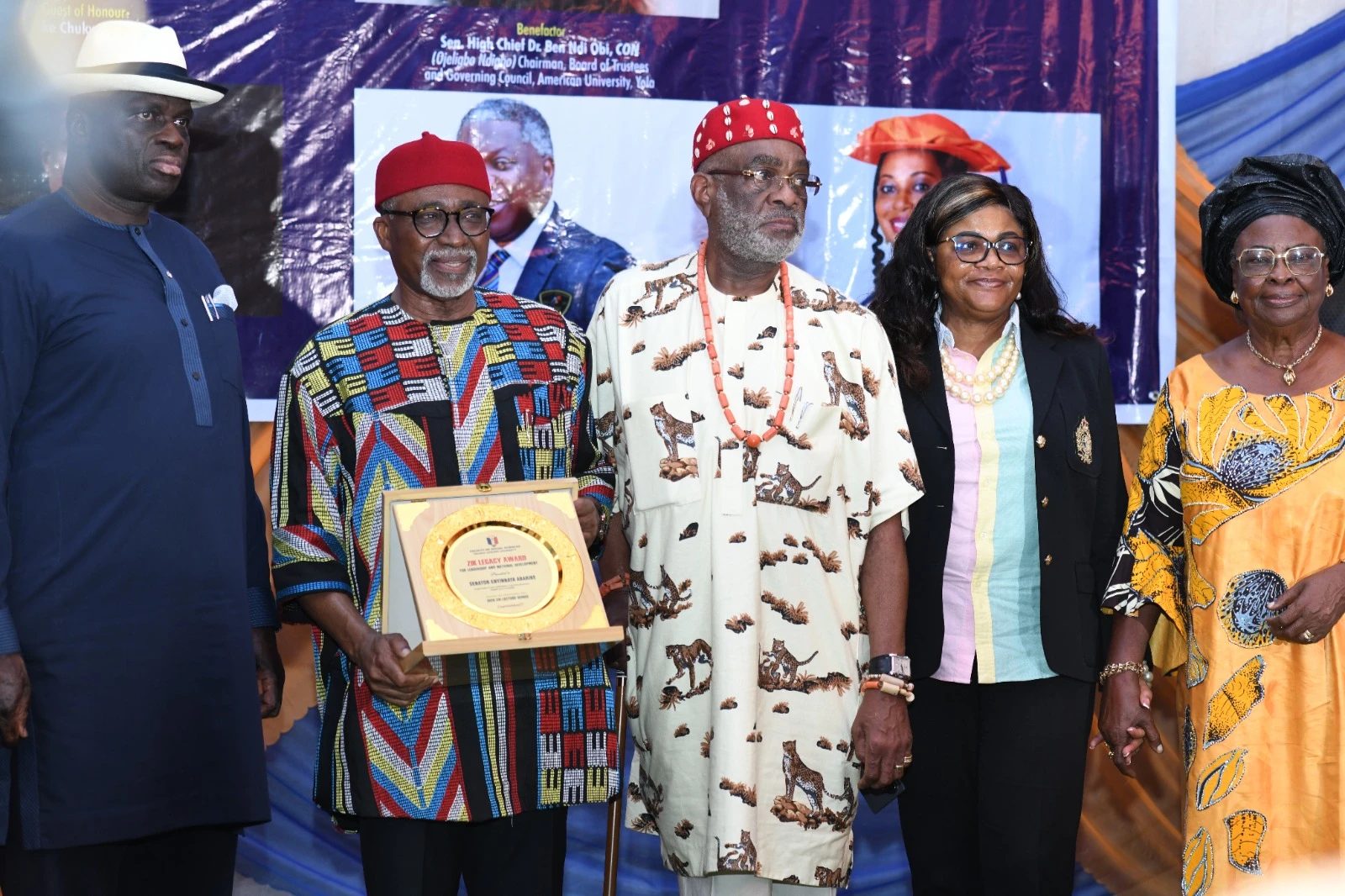
Senator representing Abia South, Senator Enyinnaya Abaribe has extolled late Dr Nnamdi Azikiwe’s leadership qualities of maximizing available arsenal, including education, reorientation and infrastructural development to direct people’s trajectory.
He however regretted scarcity of such leadership, especially in African countries, which he said had continued in unending search for such firm principles decades after Zik’s death.
Abaribe who spoke on Monday at the 14th Zik’s / University Convocation lecture series themed, “Zik’s Vision for Renaissance: Lessons from Emerging Economies in Africa” identified himself as student of Zik’s leadership philosophy.
Reflecting on the legacy of Nnamdi Azikiwe, Abaribe described him as a leader whose influence went beyond the exercise of political power, noting his contributions to education, journalism, infrastructure, economic development and African emancipation. He cited institutions and initiatives associated with Zik, including the University of Nigeria, Nsukka, the Eastern Nigerian Development Corporation and the Zikist Movement, as examples of his vision for societal development.
He said, “For many people from my generation, Zik represents what towering leadership backed by a clear philosophy is about.
“For Zik, leadership was not just about political power, but mainly about using every available arsenal such as education, re-orientation, call for freedom, infrastructural development. and precocious vision to direct the trajectory of a people.
“This for me is what leadership should be about. It is to our disadvantage that decades after the great Zik left this world, many countries in Africa, especially Nigeria are still in an unending search for leadership anchored on the principles which Zik had anchored over half century ago.”
Abaribe also raised concerns over what he described as the growing capture of state institutions by narrow interests in Nigeria, warning that the trend could lead the country towards anarchy if not urgently addressed.
Abaribe traced the problem to wider issues of moral decline, poor leadership values and the increasing celebration of ill-gotten wealth. He observed that society's growing tolerance of unexplained wealth, drug trafficking, internet fraud and other criminal activities could have serious consequences for the country's leadership recruitment process, particularly where money is valued above competence and character.
He also expressed concern about the widening gap between education and morality, noting that educational institutions should develop character and responsible citizens, rather than focus exclusively on academic grades. He urged universities, parents and other stakeholders to guide young people towards discipline, integrity and excellence.
He urged students to be discerning in their engagement with information, pursue excellence in character and learning, and contribute meaningfully to national development. He further called for a leadership recruitment process based on merit rather than ethnic or religious considerations.
Numerous challenges
Enumerating numerous challenges facing Nigeria, including education and widening gap between morality and immorality, uncensored exposure to social media, breakdown of family structure among others, Abaribe was optimistic that awareness of those challenges were precursor to finding their solutions.
“I’m not here to find solutions. What I’ve done here was to draw attention to an endemic problem we are facing as a continent and a country in a manner of removing the tick from a dog and showing it to the dog.
“What I’ve done was to kill the tick after showing it to the communities’ dog. It is for us to think deep about this situation and begin to make efforts at breaking this chain,” he added.

Timely theme
Earlier, UNIZIK VC, Prof Ugochukwu Bond Anyiehie described the lecture theme as both timely and deeply resonant, while the occasion reminded stakeholders that “a university is not merely a centre for the award of degrees, but a crucible of ideas designed to illuminate the path toward societal transformation.”
“To our graduating students—our Great Zikites-as you prepare to step out into the wider world during this convocation season, let the message of today’s lecture serve as a lifelong charge.
“You are ambassadors of a tradition rooted in courage, scholarship and Pan-African excellence. Carry the torch of Zik’s renaissance into every sphere of human endeavour you enter,” he added.
The VC described the Zik Lecture Series as an important intellectual platform for examining the socio-political, economic and developmental challenges confronting society.
He said the theme was particularly relevant to Zik's vision of a renaissance Africa free from political subjugation, economic dependency, intellectual stagnation and social fragmentation. According to him, the experiences of emerging African economies demonstrate the importance of visionary leadership, strong institutions, investment in human capital and economic diversification.

The Vice-Chancellor challenged stakeholders to translate the lessons from such economies into sustainable policies and homegrown solutions capable of delivering measurable development. He also urged graduating students to become ambassadors of courage, scholarship and Pan-African excellence.
The benefactor of the lecture series, Senator, High Chief (Dr.) Ben Ndi Obi, CON, FNIPR, said the initiative was established to preserve and promote the ideals of the late Zik, stressing that a society that forgets its thinkers and nation builders risk losing its intellectual foundations.
He described Zik as a scholar, journalist, philosopher, nationalist and advocate of African emancipation, whose belief in education and the liberation of the mind remained relevant to Nigeria's development. He noted that the lecture series provided a platform for scholars, public intellectuals and policymakers to examine issues of governance, leadership, democracy and the future of Nigeria and Africa.
Senator Obi commended the University for sustaining the annual lecture and welcomed the establishment of the Senator Ben Ndi Obi Institute for Governance, Legislative Studies and Research on Zik's Political Ideology. He explained that the institute would promote research, governance and legislative studies, civic education and leadership development, while bridging the gap between academic knowledge and practical governance.
Also speaking, Emeritus Prof. Uche Azikiwe, wife of the late Dr Nnamdi Azikiwe, expressed the family's appreciation to Senator Obi for sustaining the lecture series over the years and establishing structures and endowment funds to preserve Zik's legacy.
She observed that the value of commemorating a national figure should be reflected in lasting contributions rather than the mere use of the person's name for personal benefit. She urged Nigerians, particularly young people, to live purposeful lives and make contributions for which they would be remembered.

Prof. Azikiwe also called for a balanced appreciation of her late husband's legacy, noting that although no human being was perfect, Zik's contributions to Nigeria deserved recognition. She thanked the University for sustaining the lecture series and pledged the family's continued support for the event.
She however decried negative narratives by certain individuals about her late husband over certain issues, insisting that nobody could claim perfection.
She said, “I’m always emotional anytime I’m asked to talk about my late husband. I thank Chief Ben Ndi Obi for establishing this lecture series and the university by extension.
“I wonder why some people always see the negative side of Zik. Nobody is perfect If you feel what he did was not enough, continue from where he stopped to make Nigeria great again.”
While challenging the students to emulate late husband by leaving positive legacies, Azikiwe pledged to always avail herself anytime her services were needed in the institution.
Earlier, the Dean, Faculty of Social Sciences, Prof. Michael Onyeka Ezenwa, described the Zik Lecture Series as a flagship intellectual event established to promote the political ideals of the late nationalist, particularly nationalism, egalitarianism and patriotism.
He explained that the 2026 edition marked the 14th lecture, noting that the previous year's edition was not held due to peculiar circumstances. He acknowledged Senator Obi and his wife, Chief Mrs Chiaka Ben-Obi, for their sustained support of the initiative.

Prof. Ezenwa said the theme challenged Africans to look inwards, embrace their identity and pursue development through homegrown ideas, technology, education and effective governance, rather than rely excessively on external models. He also called on African leaders and citizens to take responsibility for the continent's development.

The event featured a theatrical performance by students of the Department of Theatre Arts and a spoken-word and poetry presentation by globally acclaimed performance poet and author, Dike Chukwumerije. Senator Abaribe, Senator Obi and Chukwumerije were among those honoured with awards at the occasion.

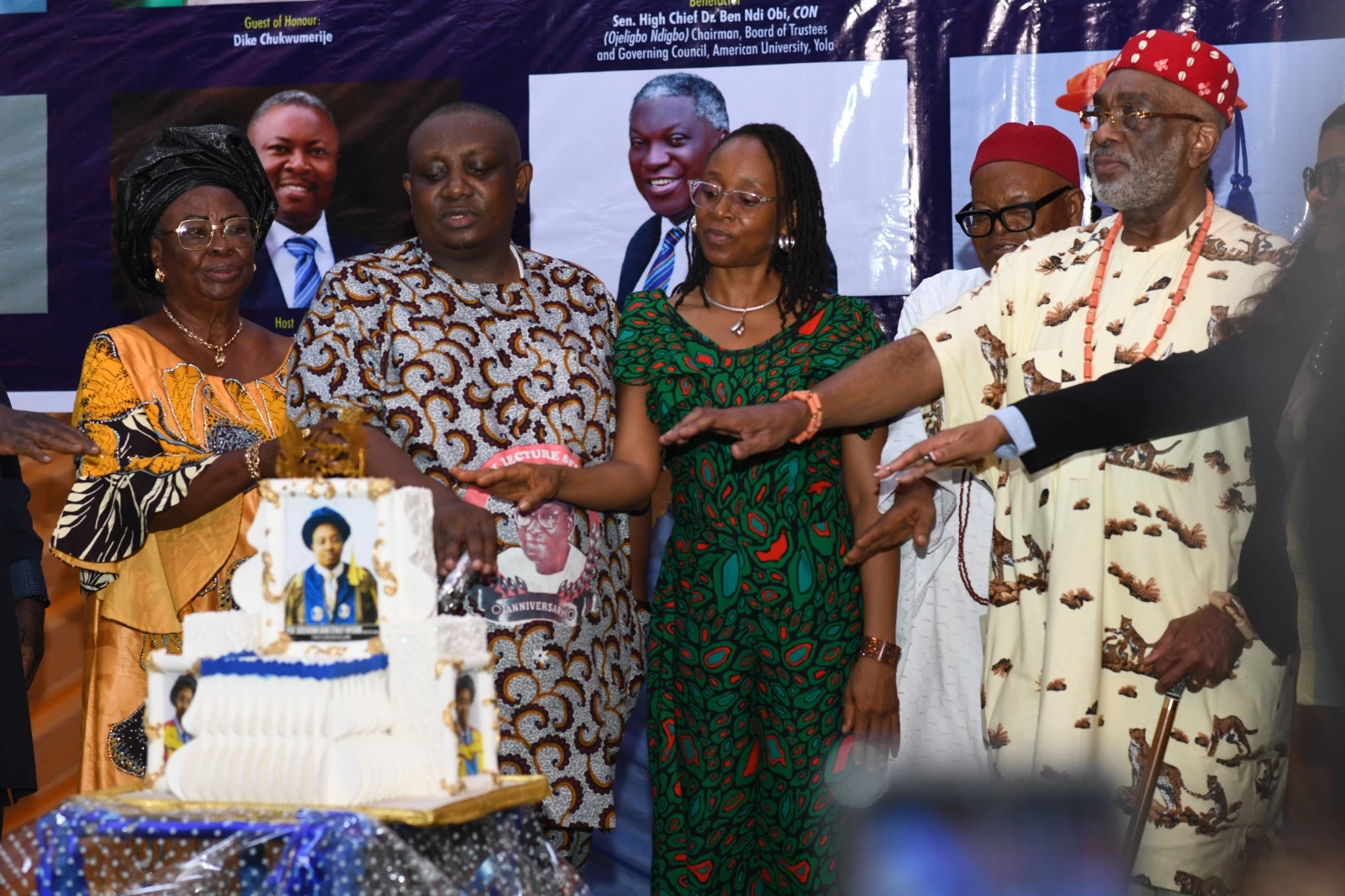
The celebration also featured the cutting of birthday cakes in honour of the late Dr Nnamdi Azikiwe and the Vice-Chancellor, Prof. Anyaehie, whose birthday falls on the same day as that of the university's namesake.
The Adviser Zik Lecture series, Prof. Au. Nonyelu and Chairman of the Local Organising Committee (LOC), Prof. Uju Ezenekwe in their separate remarks, thanked the benefactor of the lecture series, Chief Senator Ben Ndi Obi and all who strived to make the occasion a grand success.

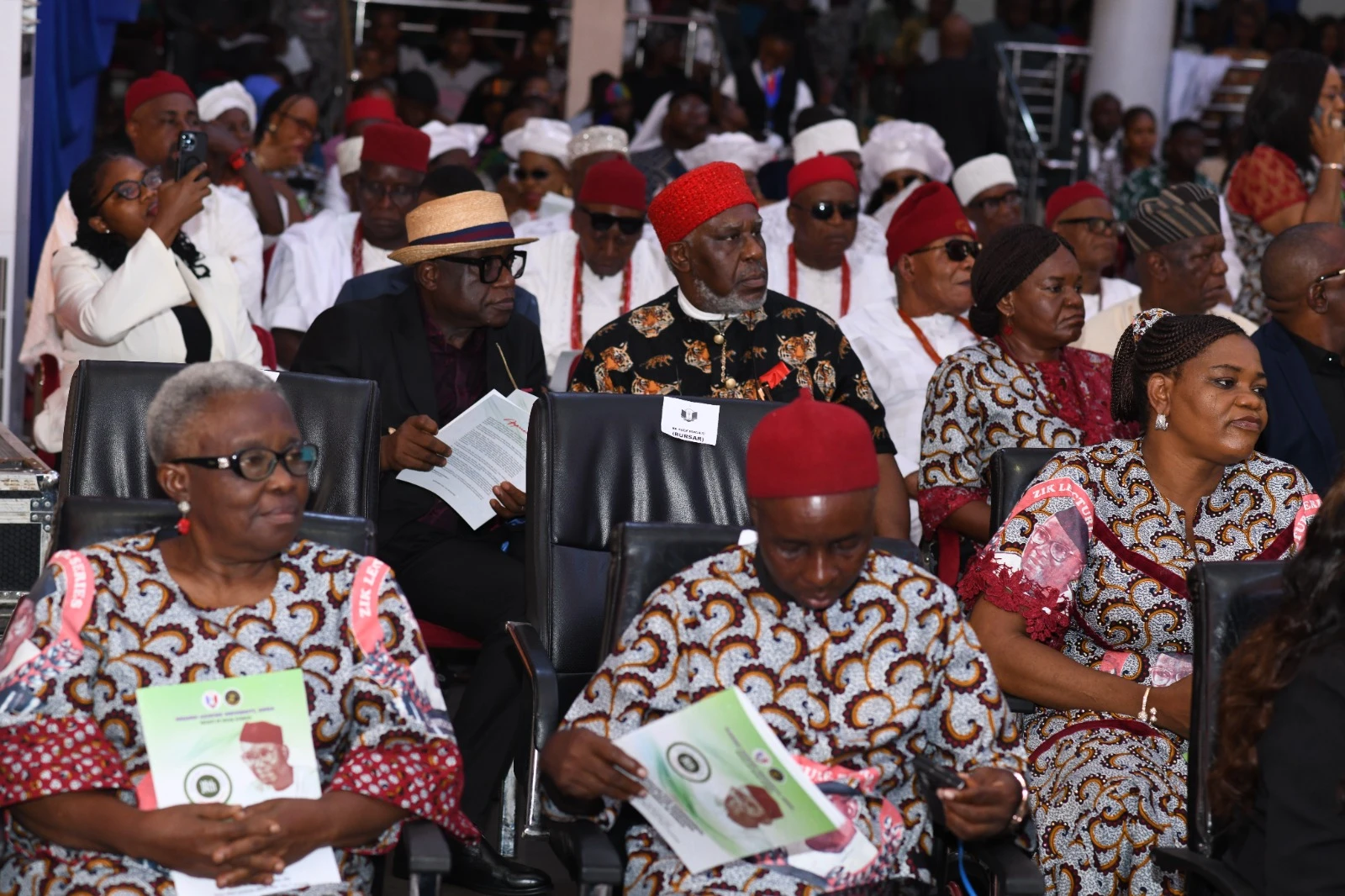
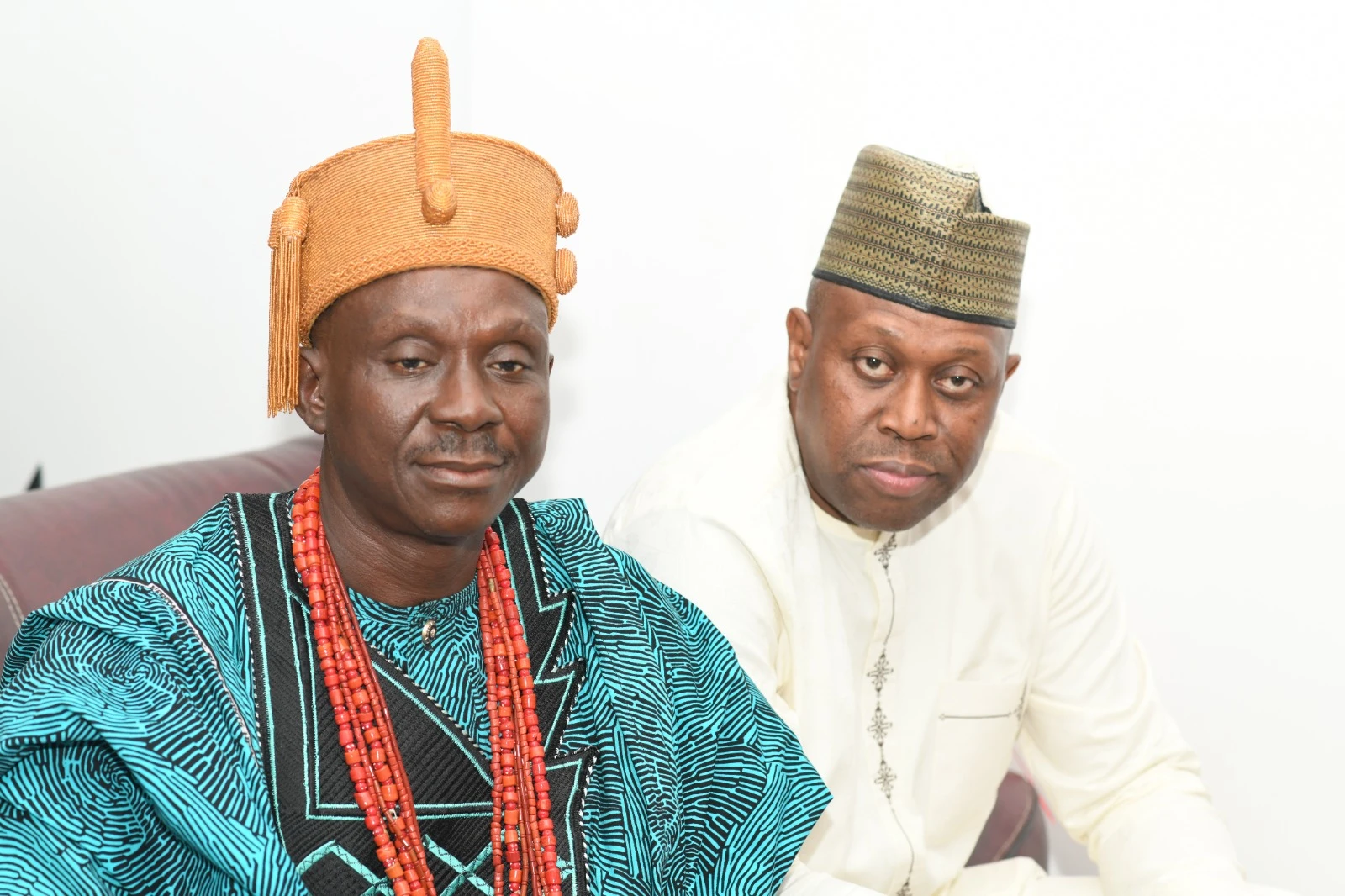
Among dignitaries at the event were the Pro-Chancellor and Chairman of the Governing Council, Barr. Monsur Olugbenga Kukoyi; Other members of the Governing Council, Aliyu Amoo, Nojeeb Ogunbiade and Dame Amina Yakowa. Internal Council Members, Prof. Pius Okoye, Prof. Igwebuike Onyiorah, Prof. Tracie Utoh-Ezeajughi, Engr Iyke Onwuemene, Prof Ikenga Oraegbunam and Prof. Paul Okolie. Deputy Vice-Chancellor, Academic, Prof. Alex Asigbo; Deputy Vice-Chancellor, Administration, Prof. Hilda Osisioma; Registrar, Dr Chinyere Okeke; Former Vice Chancellor, Prof. Charles Okechukwu Esimone ,Chief Chido Obidiegwwu, former Managing Director of ABS; Prof. Charles Nwadigwe, Director, International Collaboration and Linkages; Prof. Frank Nwankwo, Dean, Faculty of Management Sciences; Prof. J. K. C. Emejulu, Provost, College of Health Sciences; Prof. Tochukwu Orji-Okafor, Director, COCES; Prof. Angela Ufele-Obiesie, Director, Academic Planning; members of the university Senate, traditional rulers, staff and students of the university, amongst others.
Public Relations Unit, UNIZIK
(©2026)
← Back to News


