
As VC reaffirms UNIZIK’s Dedication as Leading Centre for African Heritage Studies
UNIZIK CELEBRATES IRI JI FESTIVAL, HIGHLIGHTS YAM’S CULTURAL, NUTRITIONAL AND MEDICINAL VALUES
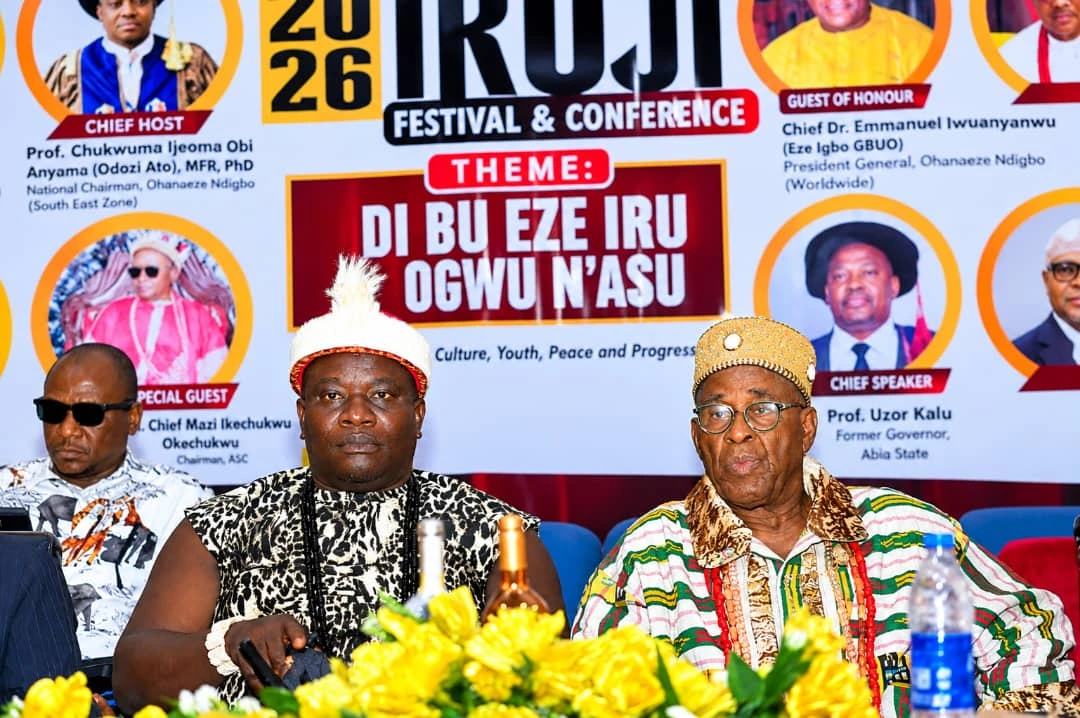
Nnamdi Azikiwe University (UNIZIK), Awka, has celebrated the 2026 Iri Ji Festival and Conference, organised by the Directorate of Igbo Village and Institute of African Heritage Studies (IVIAHS), to promote Igbo cultural heritage and explore the nutritional, medicinal and economic values of yam.
The event, held on Thursday, October 29, 2026, at the ASUU Secretariat, Awka, featured the theme, “Ji Bu Eze Nri na Ogwu Ndị Igbo” (Yam is the King of Food and Traditional Medicine among the Igbo).
In his welcome address, the Director of IVIAHS, Very Rev. Fr. Prof. Bonachristus Umeogu (Mmuo na Mmadu), described Iri Ji as a significant expression of Igbo civilisation, indigenous knowledge and cultural identity. He noted that the festival goes beyond celebrating the harvest to reflect the relationship between agriculture, communal life, gratitude and the preservation of ancestral heritage.
According to him, yam occupies a prominent place in Igbo society as a symbol of productivity, discipline, prosperity, hospitality and social prestige.
He explained that the festival serves as a platform for transmitting cultural values and historical knowledge to younger generations through ceremonies, music, dance and traditional practices.
Prof. Umeogu emphasised the need to examine the relationship between indigenous food systems, nutritional well-being and traditional medicinal knowledge.
He, however, stressed that claims about the medicinal properties of traditional foods and plants must be subjected to rigorous scientific investigation and validation urging the university community to preserve Igbo languages, document oral traditions, investigate indigenous food systems and encourage younger generations to recognise African cultural heritage as a valuable resource for scholarship and sustainable development.
“We gather today not merely to celebrate the harvest of yam, but to honour one of the eloquent expressions of Igbo civilization, a cultural institution in which agriculture becomes identity, labour becomes dignity and thanksgiving becomes a collective affirmation of life.
Iri Ji is not simply the eating of new yam, it is the ceremonial interpretation of the Igbo relationship with the earth, the ancestors, the community and the transcendent. It is a festival of remembrance and renewal, an affirmation that the prosperity of a people is inseparable from the fertility of their land, the industry of their hands and the moral integrity of their communal existence.
“Among the Igbo, yam is celebrated as the Eze Nri: the King of Food. This royal designation transcends nutritional preference. Historically, yam has symbolized productive achievement, economic responsibility, social prestige, hospitality and the capacity to sustain life. Its cultivation demanded patience, discipline, perseverance and foresight. Its harvest occasioned gratitude, its presentation expressed honour , and its sharing reaffirmed the bonds of kinship” Prof. Umeogu stated.
In his address, the Vice-Chancellor, Prof. Ugochukwu Bond Stanley Anyaehie, represented by the Deputy Vice-Chancellor (Academic), Prof. Alex Chinwuba Asigbo described the festival as a meeting point of tradition and modernity, culture and science, as well as town and gown.
The Vice-Chancellor noted that yam represents strength, prosperity, discipline and the agricultural heritage of the Igbo people stating that the university was committed to researching, validating and integrating indigenous knowledge with contemporary scientific discoveries.
Prof. Anyaehie explained that interdisciplinary research involving agriculture, ethnobotany, medicine and nutrition could help uncover the nutritional, therapeutic and economic potential of traditional foods and medicinal plants.
Prof. Anyaehie also highlighted the importance of collaboration between the university and the Anambra State Government, particularly the ministries responsible for culture, entertainment, tourism and health, in promoting cultural preservation, public health and economic development.
He expressed appreciation to Governor Chukwuma Charles Soludo for his support for cultural regeneration and human capital development, while reaffirming UNIZIK’s commitment to becoming a leading centre for African heritage studies, indigenous science and research innovation.
The Vice-Chancellor welcomed partnerships with academic institutions, government agencies and international organisations aimed at preserving African heritage and advancing sustainable development.

“I reaffirm Nnamdi Azikiwe University’s dedication to remaining a leading centre for African Heritage Studies, Indigenous Science and research innovation. We welcome strategic academic, governmental and international partnerships that aim to preserve African Heritage while advancing sustainable development” the Vice Chancellor stated.
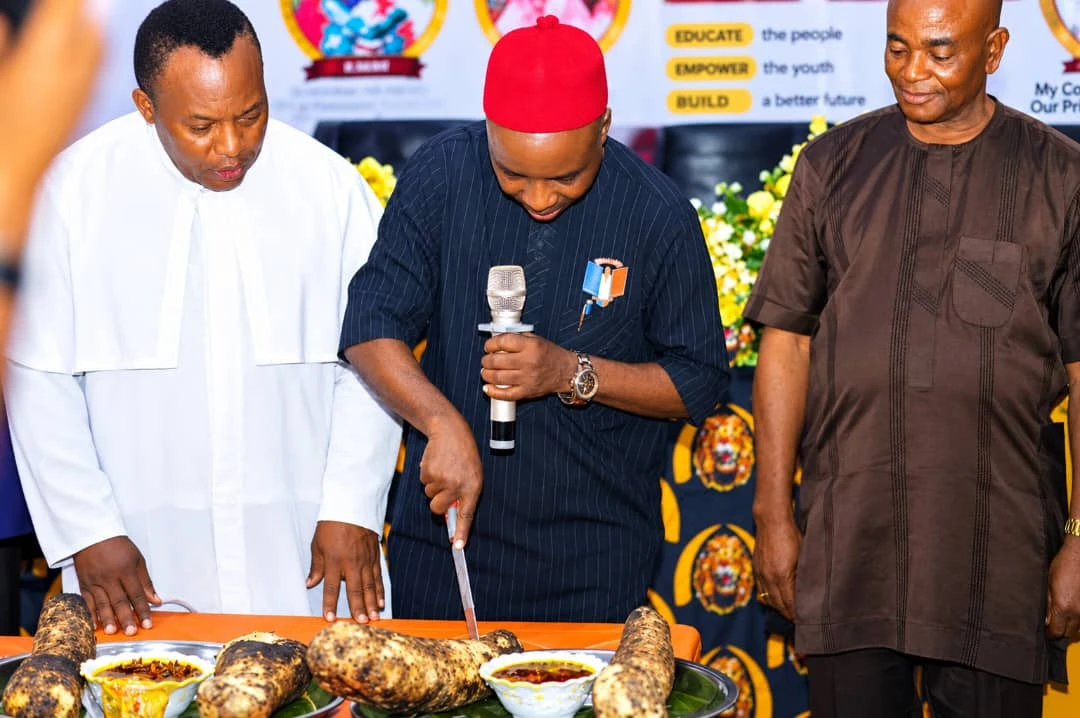
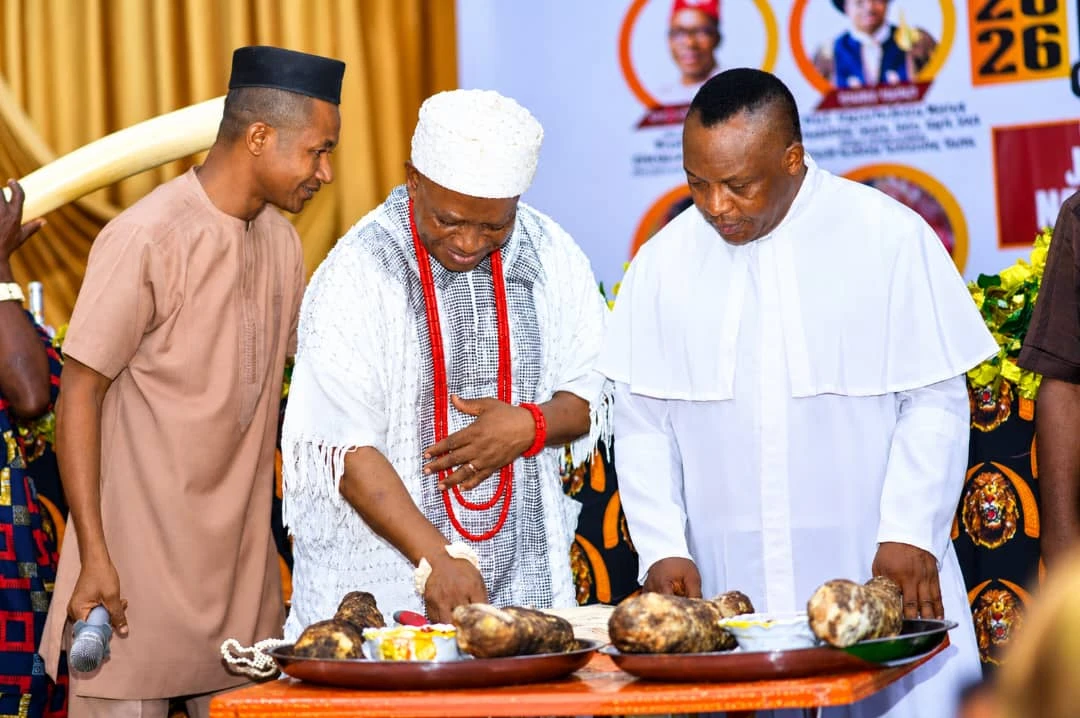
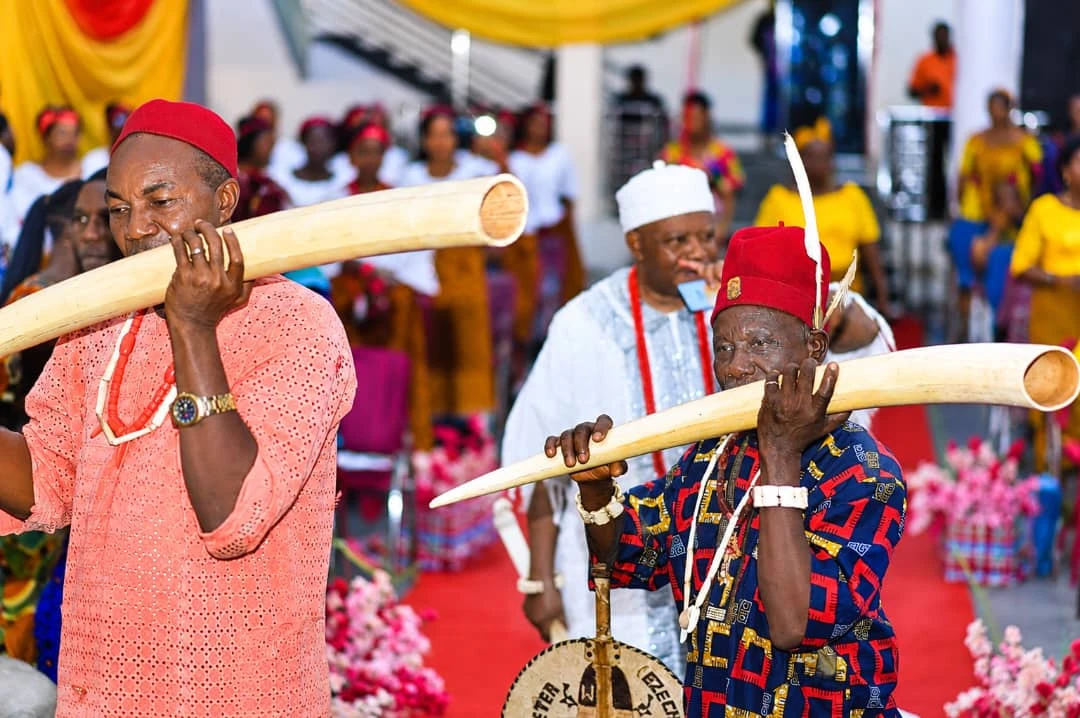
Highlights of the festival included the traditional breaking of kola nuts (Iwa Oji), the royal new yam ceremony featuring the ceremonial cutting and sharing of yam, exhibitions of different yam varieties and indigenous culinary arts, cultural dances and masquerade displays including the performance chant by Mrs Perpmario Attah, Adaugo Perp (Ada Mbem Eluigwe)

The event also featured the presentation of awards, honours and commemorative souvenirs to distinguished personalities in recognition of their contributions to cultural preservation and the promotion of Igbo identity.
In his vote of thanks, the Deputy Director of IVIAHS, Dr. Aloysius Umeodinka, expressed appreciation to the university management, traditional rulers, scholars, cultural stakeholders and other participants for their support towards the success of the festival.
He said the institute was established to promote and preserve Igbo identity while serving as a centre for the exchange of ideas and advancement of indigenous knowledge systems.
Dr. Umeodinka called for sustained support from lovers of Igbo culture, including those in the diaspora, through financial, intellectual and cultural contributions to strengthen the institute’s activities and expansion.
He particularly appreciated the Vice-Chancellor for supporting the vision and activities of IVIAHS, describing the festival as a successful demonstration of the university’s commitment to preserving Igbo culture and advancing African heritage.
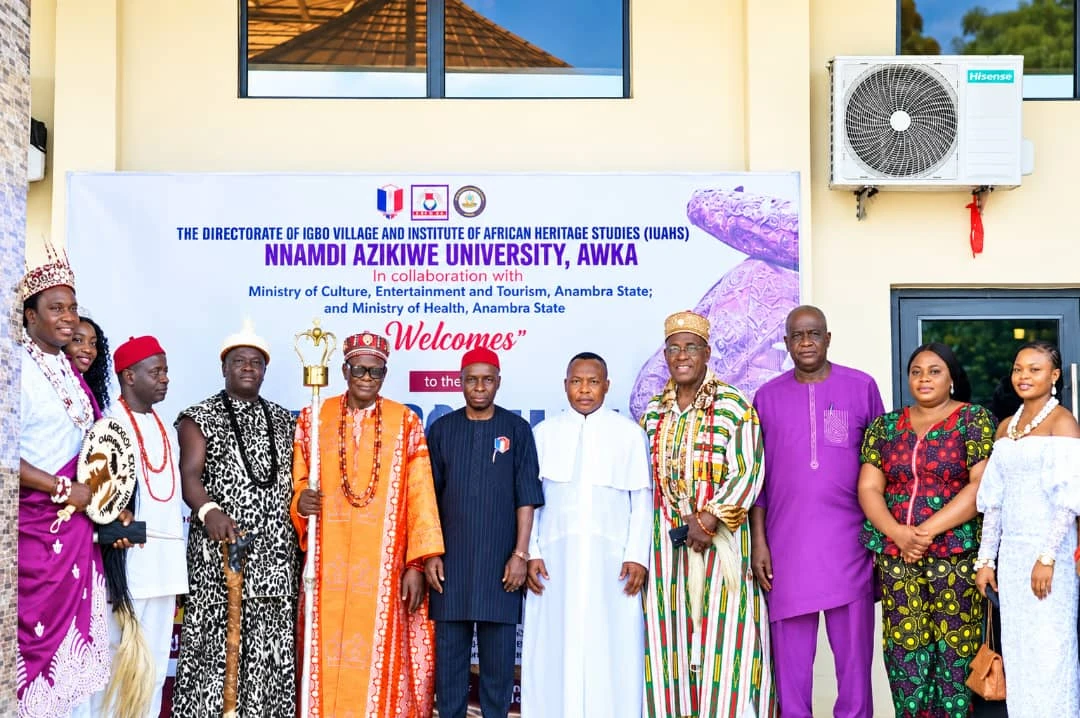
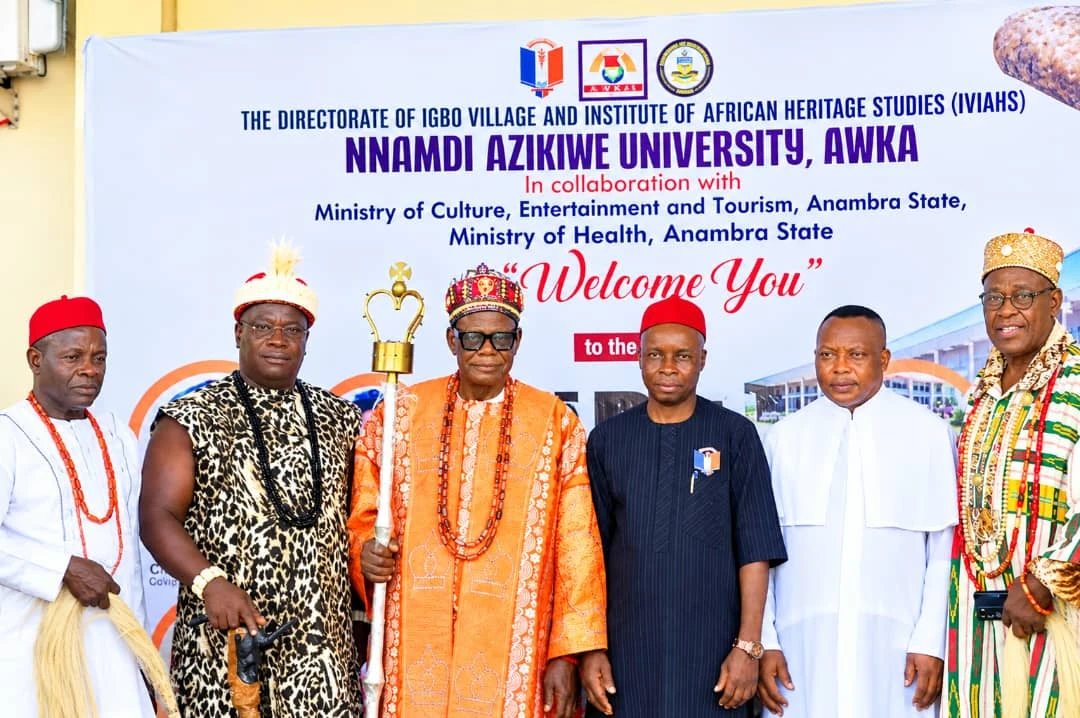
Dignitaries at the occasion included: The University Registrar, Dr Chinenye Okeke represented by Sir Victor Modebelu, chairman of the occasion, High Chief Ogochukwu Olisa (Ohamadike), Chief Jim Martins Nwabueze (Ichie Akubudike na Umudioka) the chief guest of honour, His Royal Highness, Dr. Gibson Nwosu, Eze Uzu Awka represented by Chief Francis Okoye,
the Commissioner for Culture, Entertainment and Tourism, Barr. Amedu Udoji, represented by Mrs. Nneka Achebe, Comrade Angela Obiesie, SUG VP, Hon Ansalem Okonkwo, Dr Justina Okoli, traditional rulers, scholars and guests

The 2026 Iri Ji Festival and Conference reaffirmed the importance of indigenous cultural institutions in promoting scholarship, strengthening cultural identity and creating opportunities for scientific research into traditional foods and knowledge systems.
← Back to News

