
UNIZIK HOSTS EDUCATIONAL PSYCHOLOGISTS IN NIGERIA
UNIZIK hosts NCEP Conference as Educational Psychologists Seek New Strategies to Re-engage Nigerian Learners in Digital Era
The Nigerian Council of Educational Psychologists (Neo Cycle Educational Psychologists) (NCEP), has called for renewed approaches to teaching and learning capable of re-engaging Nigerian students and strengthening critical and creative thinking in the era of digital intelligence.
The call was made at the 2026 Annual Conference of the Council held at Nnamdi Azikiwe University (UNIZIK), Awka, on the theme, “Nigerian Youths’ Educational Disengagement and Students’ Critical and Creative Thinking in the Digital Intelligence Era.”
Declaring the conference open on behalf of the Vice-Chancellor, Prof. Ugochukwu Bond Anyaehie, the Deputy Vice-Chancellor, Academic, Prof. Alex Asigbo, welcomed members of the Council to the University and described educational psychology as a crucial field to national development.
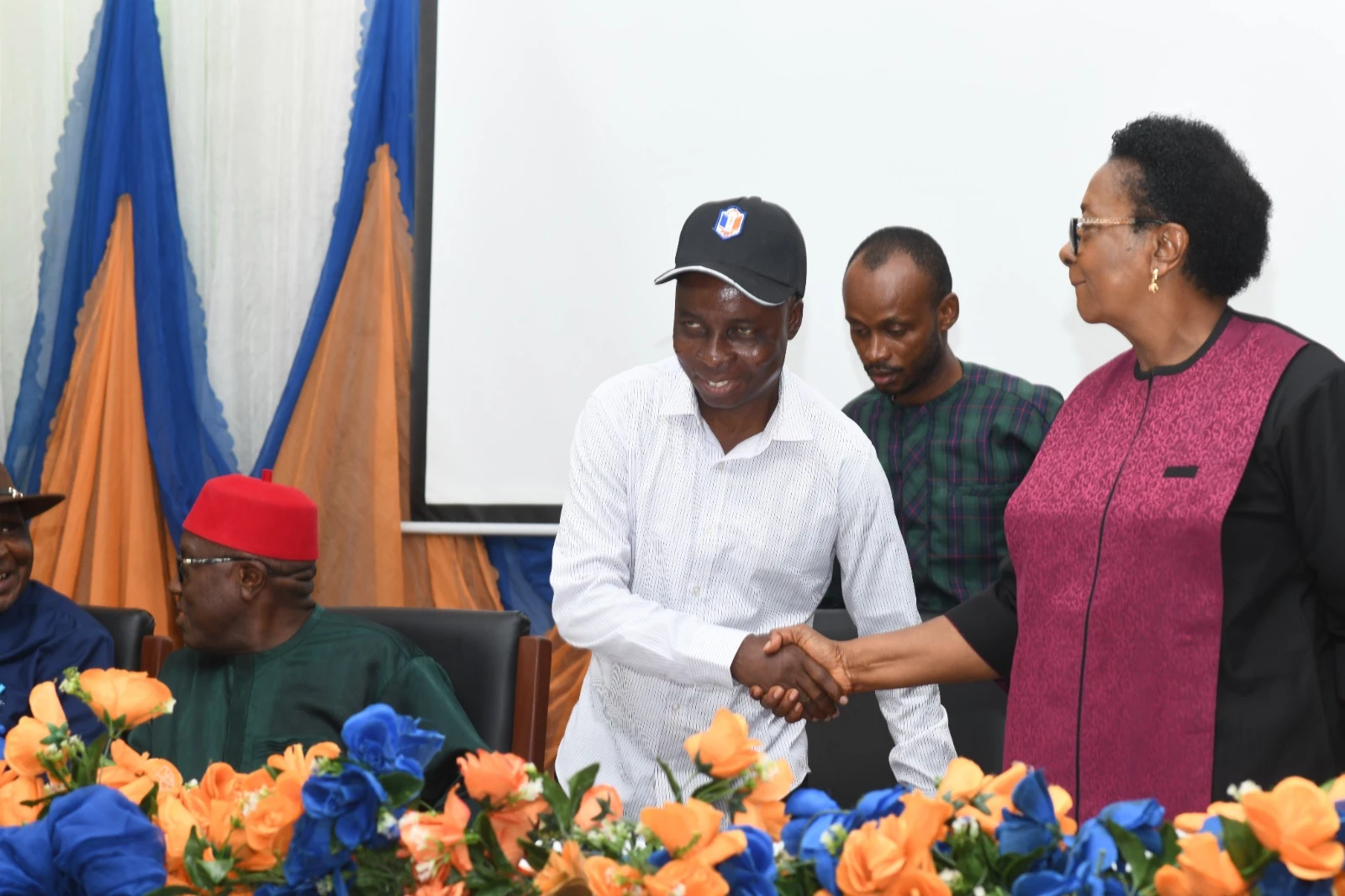
Prof. Asigbo noted that education remained vital to the development of any nation, stressing that professionals responsible for developing effective curricula and improving the delivery of instruction had an important role to play in shaping society.
He encouraged members of the Council to use the conference as an opportunity to interact, exchange ideas and develop workable recommendations capable of addressing some of the challenges confronting Nigeria’s education sector.
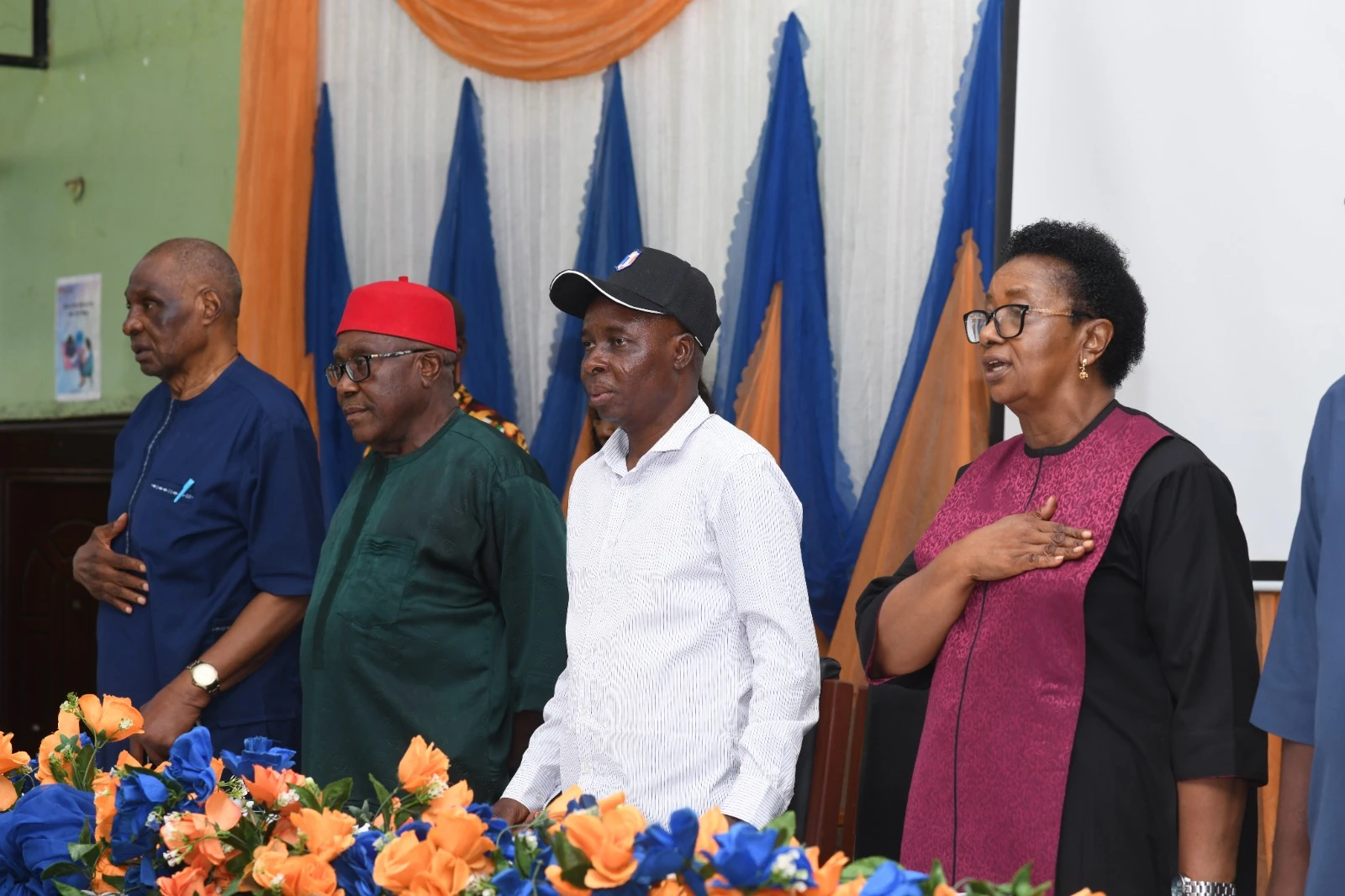
The Deputy Vice-Chancellor expressed optimism that the keynote presentation and other scholarly contributions would generate new knowledge and ideas that could contribute to the effective running and development of the country. He also commended the Council for choosing UNIZIK as the venue of its annual conference and declared the event open to the glory of God.
In her welcome address, the President of NCEP, Prof. Elsie C. Umeano, expressed appreciation to the University for hosting the conference.
Prof. Umeano said the theme of the conference was carefully chosen to address contemporary national concerns, particularly the growing disengagement of Nigerian youths from education and the implications of digital intelligence for students’ learning and thinking abilities.
She explained that education remained central to the achievement of the United Nations Sustainable Development Goals, stressing the need to examine how Nigerian youths engage or disengage from education in the present digital environment.
According to her, the conference was expected to provide a platform for participants from different parts of the country to critically examine the various sub-themes and generate ideas that could provide direction for addressing the challenges confronting education in Nigeria.
She expressed optimism that the deliberations and the communique that would emerge from the conference would provide useful recommendations for the country.

Delivering the keynote address titled “Re-engaging the Nigerian Learner: Rethinking Pedagogy for Critical and Creative Thinking in the Age of Digital Intelligence,” the Dean, Faculty of Education, University of Abuja, Prof. H. A. Apeh, identified behavioural, emotional and cognitive disengagement as the major forms of learner disengagement.
Prof. Apeh said Nigeria’s most serious challenge was not necessarily behavioural disengagement, but cognitive disengagement among students who remained physically present and behaviourally compliant but were no longer mentally engaged in the learning process. He captured the challenge by stating that “we do not have an attendance problem; we have an attention problem,” referring to students who attend classes but no longer pay adequate attention or engage meaningfully with what they are being taught.
The keynote speaker identified four psychological explanations for disengagement, namely expectancy-value, self-determination, cognitive load and scarcity, as well as content transmission and concentration. He further examined the impact of artificial intelligence on learning and assessment, noting that fluent, coherent and well-organised texts could now be produced without the cognitive effort traditionally required to create them.
According to him, the development had quietly challenged the validity of assessment methods that depend heavily on such outputs, particularly in an environment where students have easy access to smartphones and AI tools.
Prof. Apeh observed that when technology removes the struggle involved in confronting a genuinely difficult problem, students could develop the feeling that they had learnt without necessarily achieving genuine understanding.
He, however, stressed that artificial intelligence had not changed the nature of understanding, the value of judgment or the social nature of learning, making it necessary for educators to rethink their pedagogical approaches rather than simply resist emerging technologies. He proposed five major pedagogical responses to the challenge: moving the thinking back to the classroom; assessing the process and not only the product; teaching the discipline of asking questions; making verification a habit; and protecting the difficulty involved in learning.

The keynote speaker charged Faculties and teachers of Education to practise what they teach, develop a strong research agenda, update curricula to reflect emerging realities and contribute meaningfully to educational policy.
The highlight of the conference was the presentation of the prestigious NCEP awards and the induction of new Fellows of the Council.
The award recipients were HRM Igwe Prof. Sir Charles Maduegbuna Anikweze, Nnamenyi III of Awkuzu Ibilibe Ogada Kingdom, and Rev. Fr. Paschal Ugochukwu Udo, who were honoured for their contributions and leadership.

The Council also inducted five academics as Fellows of NCEP. They included Prof. Danjuma Mshella Gwany, Prof. Janet Ngozi Igbo, Prof. Joy Chinelo Anyafulude, Prof. Uchechi Nichodemus Eze and Prof. Princess Udochi Ekeh.
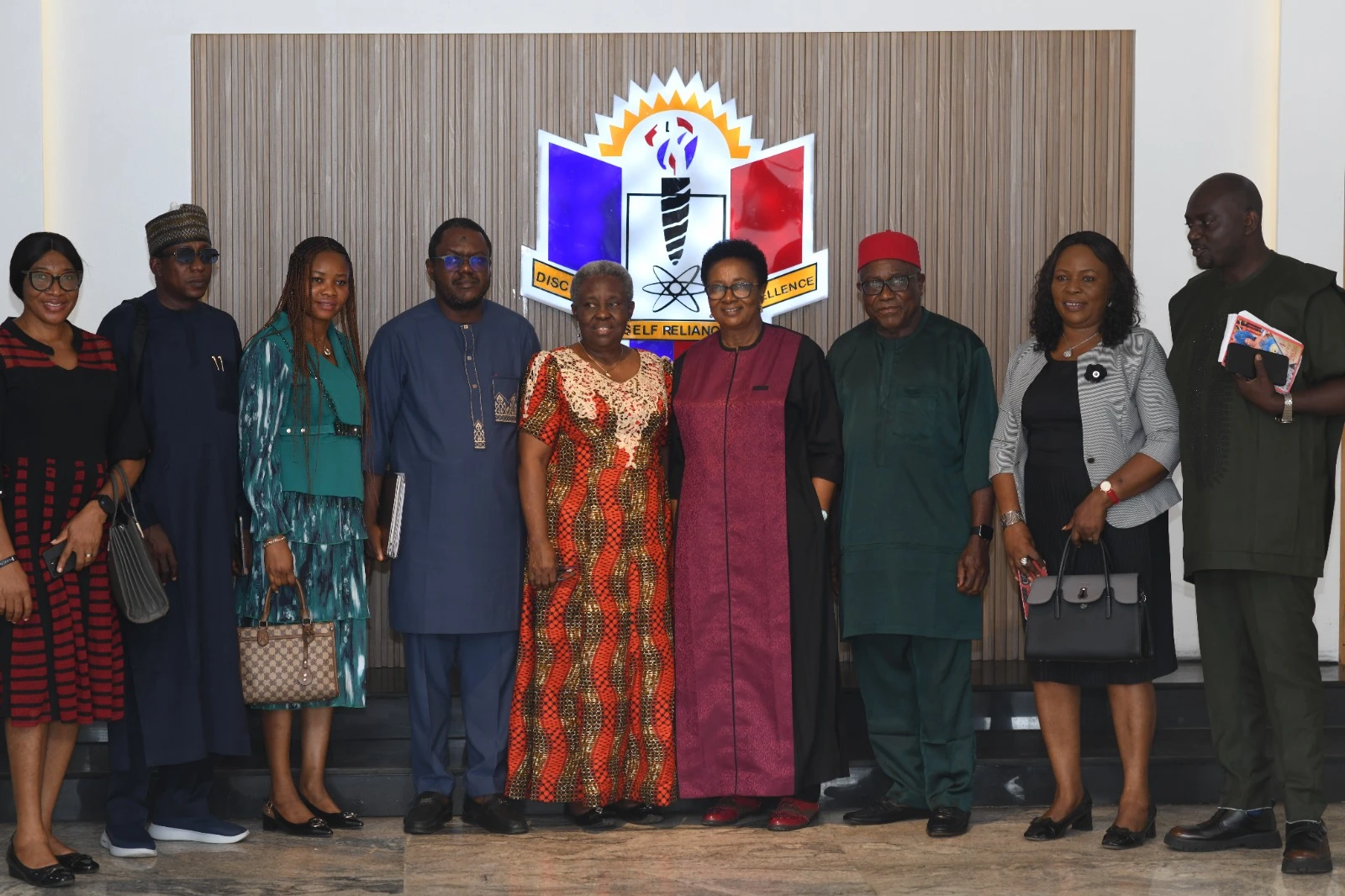
The delegation had earlier paid a courtesy call to the Vice Chancellor, Prof. Ugochukwu Bond Stanley Anyaehie where they were received on his behalf at the Council Chambers by the Deputy Vice Chancellor, Prof. Hilda Osisioma. On the delegation were the national officers of the assocuation which included Prof. E. C Umeano, President, Prof. D. U. Ngwoke, VP South, Prof. H. A Apeh, VP North, Napoleon Iwundu, Secretary and Prof. Anyafulude, PRO.
Chairman of the Local Organising Committee (LOC) and Head of Department of Educational Foundation, Nnamdi Azikiwe University, Prof. Kingsley Chinaza Nwosu expressed delight on the hosting the 2026 Annual Conference of the Neo Cycle Educational Psychologists' Association.
“We immensely appreciate the Vice Chancellor, Prof. Anyaehie for his support for the conference. We had serious academic conversations with scholars from different universities in Nigeria where we looked at the theme: Nigerian Youths' Educational Disengagement and Students' Critical and Creative Thinking in the Digital Intelligence Era.
“From the conversations, inferences were drawn that unless there is a multi-stakeholder approach to address unproductive use/application of AI, youths' disengagement with education will worsen. This will also impact their critical thinking and creativity. However, if the training of teachers take into consideration the benefits alongside complex ethical and practical risks of AI, students' critical and creative thinking would be enhanced thereby fostering their engagement in school” the HoD stated.
The conference brought together educational psychologists, academics and other stakeholders from across the six geopolitical zones of the country to examine the challenges confronting Nigerian learners and explore practical approaches to improving educational engagement in the digital age.
← Back to News


