
OPEN DISTANT LEARNING (ODL), A POWERFUL INSTRUMENT FOR EDUCATIONAL LIBERATION
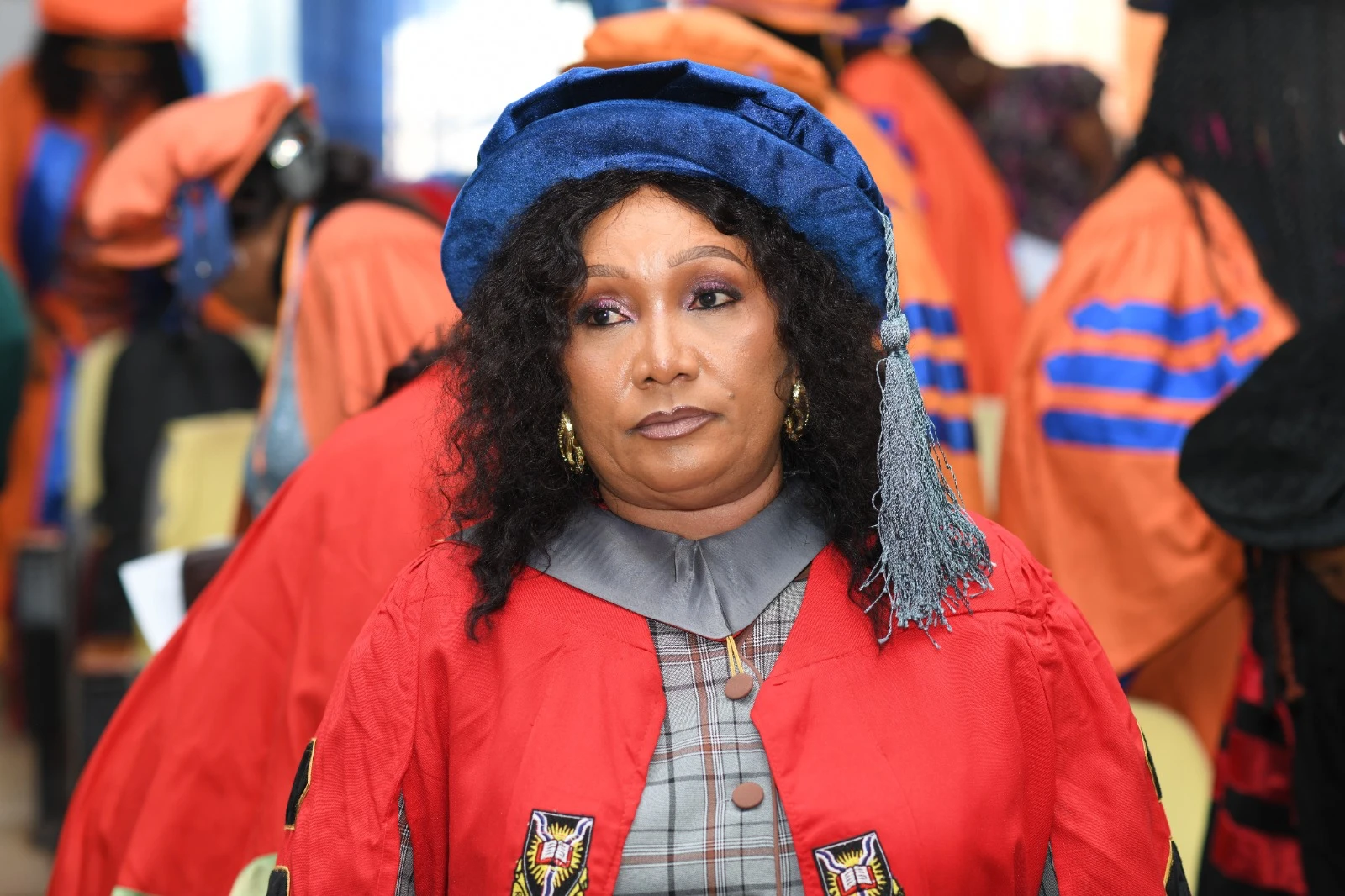
UNIZIK’s 130th Inaugural Lecturer, Prof. Helen Ebunoluwa Adebola Explores Open Distance Learning as Pathway to Educational Inclusion
A Professor of Open Distance Learning and Women Education, Helen Ebunoluwa Adebola has called on all stakeholders in the educational sector to join hands and commit in words and actions , efforts geared towards the breaking of all barriers limiting access to education through Open and Distance Learning.
Prof. Adebola of the Department of Adult and Continuing Education, Faculty of Education, Nnamdi Azikiwe University, Awka, made the call on Thursday, October 8, 2026, at the University Auditorium while presenting the University's 130th Inaugural Lecture titled “Breaking the Gate of Brass and Cutting the Bars of Iron: Open Distance Learning as a Key to Educational Liberation,”
In the lecture, she examined the role of Open Distance Learning in breaking educational barriers and expanding access to learning opportunities in her delivery
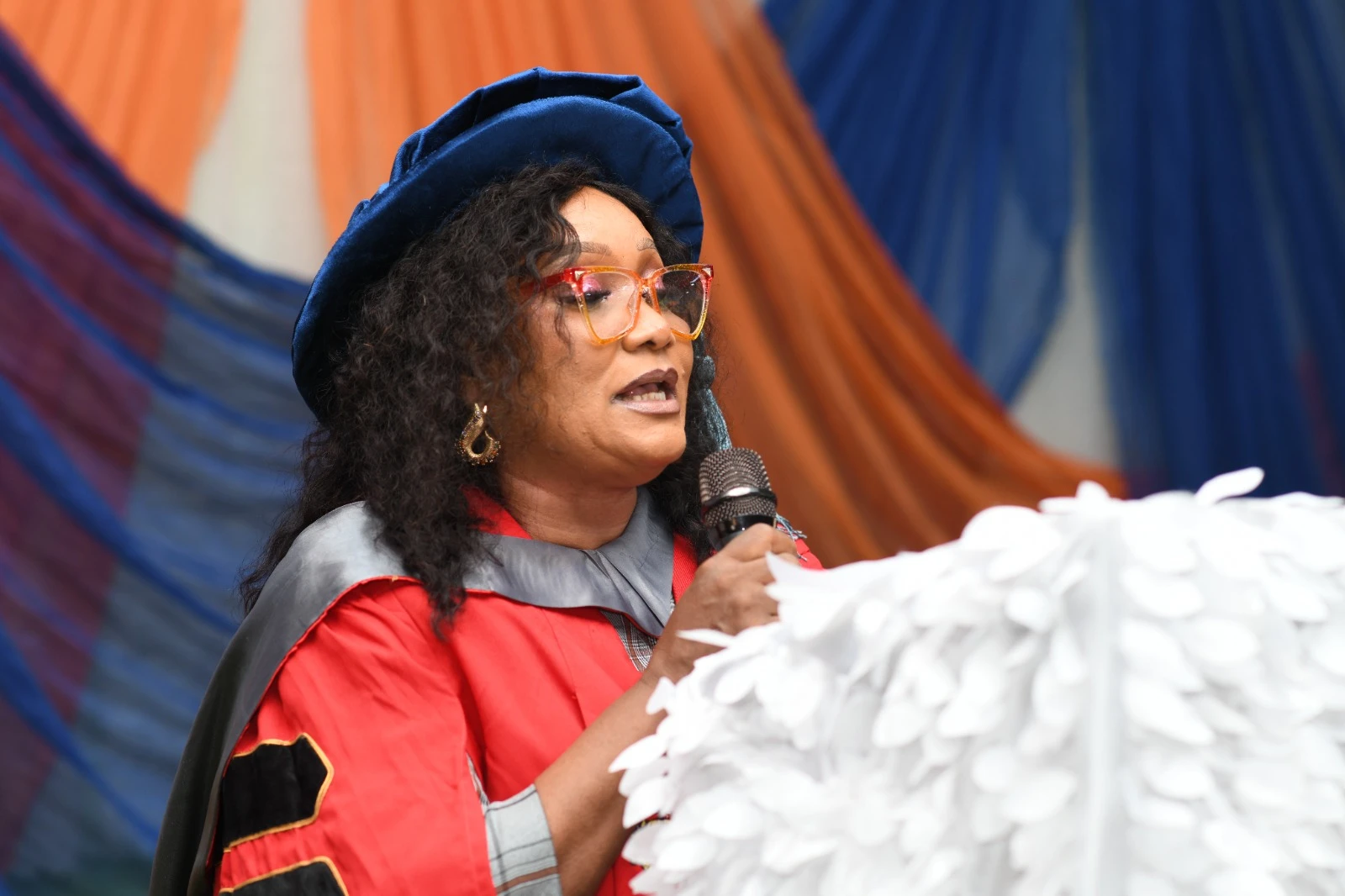
The lecture, examined the barriers that prevent individuals from accessing education and the potential of Open Distance Learning (ODL) to create more flexible and inclusive learning opportunities.
In her presentation, Prof. Adebola explained that adult education encompasses formal, informal and non-formal learning provided to adults to improve their social, economic and cultural circumstances and empower them to contribute meaningfully to society. She identified basic adult education, civic education, women's education, consumer education, workers' education and industrial education as some of its major areas of application.
The inaugural lecturer observed that access to education remains uneven, with many individuals unable to take advantage of available opportunities because of circumstances beyond their control. These include poverty, geographical isolation, disability, displacement and social or cultural restrictions, particularly those affecting women and girls in some societies.
She explained that Open Distance Learning provides an alternative means of accessing education through print, electronic and virtual platforms, allowing learners to study without being physically present in a conventional classroom. Through the use of digital technologies and flexible learning arrangements, ODL can accommodate people whose employment, family responsibilities, financial circumstances or location would otherwise prevent them from pursuing further education.
Prof. Adebola noted that the central idea behind ODL is to remove the restrictions traditionally associated with education and make learning accessible to a wider population. She emphasised that its principles of openness, flexibility, learner-centredness and lifelong learning make it particularly relevant in addressing the educational needs of individuals who have been underserved by conventional systems.
Explaining the significance of the lecture's title, she described the “Gates of Brass” as the visible barriers that obstruct access to education. These include geographical distance, financial difficulties, social and cultural restrictions, rigid school systems, political instability, insecurity, armed conflicts and public health emergencies. According to her, such challenges can prevent people from enrolling in educational programmes or disrupt their ability to complete them.
She distinguished these from the “Bars of Iron,” which she revealed represent less visible but equally restrictive obstacles. These include inadequate time, family responsibilities, social stigma, negative perceptions of distance learning, fear of technology, digital illiteracy, and psychological and emotional pressures. She explained that although these barriers may not always be immediately apparent, they can discourage learners from pursuing education or make it difficult for them to continue.
The professor stressed that when such obstacles remain unaddressed, access to education becomes a privilege reserved for a limited segment of society rather than an opportunity available to all. She therefore called for deliberate efforts to dismantle both the structural and personal barriers that prevent individuals from acquiring knowledge and developing their potential.
To translate the promise of ODL into practical outcomes, Prof. Adebola advocated the establishment of adequately equipped study centres in geographically remote communities to bring learning resources closer to underserved populations. She also recommended the creation of dedicated financial assistance funds for disadvantaged learners, alongside device-loan and financing schemes to reduce the cost of accessing technology.
Addressing the vulnerability of distance learning during emergencies, she called on ODL institutions to develop formal Education Continuity Schemes outlining how learning activities should be sustained during periods of insecurity, war, natural disasters and other disruptions. She further recommended reliable emergency communication systems to ensure that learners receive timely information and guidance when normal academic activities are affected.
The inaugural lecturer also emphasised the need for flexibility in academic arrangements, urging institutions to make learning materials available around the clock, establish clear procedures for granting reasonable extensions in genuine emergencies and provide multiple opportunities for important academic activities, including tutorials and examinations.
On public perception and technological access, Prof. Adebola advocated sustained awareness campaigns to promote understanding of the value and credibility of ODL qualifications. She also called for the establishment of digital learning support centres where learners could receive assistance in navigating educational technologies and accessing online learning resources.
In conclusion, Prof Adebola made a call to “Break and Cut” noting that Open Distance Learning should not be treated as a secondary option to conventional education but recognised as an important means of expanding educational access and promoting social transformation.
She pointed out that the gates of brass will not break themselves neither will the bars of iron cut themselves.
“These barriers-whether visible or hidden will remain unless we act. Breaking the gates and cutting the bars requires vision courage and collective action” she stated.
“Open and Distance Learning is not just as backup or a second chance to conventional education. It is not a lesser form of learning. Rather, in today’s world where inequality is still widespread, mobility is limited and change is fast –ODL is a strategic necessity. It is a tool that allows us to reach learners who have been left behind, to offer education that is flexible, inclusive, and accessible, and to expand knowledge beyond the walls of traditional campuses”
She called on governments, educational institutions and other stakeholders to invest in the infrastructure, technology, funding and policies required to strengthen ODL and ensure that its benefits reach those who need them most.
She further emphasised that effective implementation of ODL would create opportunities for working adults, women, rural communities, persons with disabilities and other groups often excluded from conventional education, enabling them to acquire knowledge, improve their circumstances and participate more fully in society as it gives them the tools to learn, grow and participate fully in society.
She finally concluded pointing out that for ODL to fulfill its promise, everyone has a role to play:
“As scholars, we must research, innovate and develop methods that improve, the quality of distance education. As administrators, we must ensure that institutions provide the support, technology and infrastructure that learners need. As policymakers, we must create policies that encourage inclusivity, provide funding, and recognize ODL qualifications. And as citizens, we must embrace and support learning in all its forms, understanding that education is a shared responsibility and a public good”
“Let us therefore commit ourselves –not just in words, but in action, -to breaking every gate that restricts access and cutting every bar that denies opportunity. Let us imagine and education system where learning is no longer a privilege for a few, but a right for all. Let us use Open and Distance Learning to make that vision a reality” she appealed.
Earlier in his opening remarks, the Vice-Chancellor, Prof. Ugochukwu Bond Anyaehie, welcomed guests and members of the University community to the 130th Inaugural Lecture. He acknowledged the significance of the occasion as an opportunity to share knowledge and contribute to academic discourse. He further noted the importance of Open Distance Learning in expanding access to education and creating opportunities for individuals who may be unable to participate in conventional classroom learning.
The VC emphasised the need for flexible and inclusive learning systems that break educational barriers and support lifelong learning, noting that such initiatives align with the University’s commitment to advancing knowledge and promoting educational development.
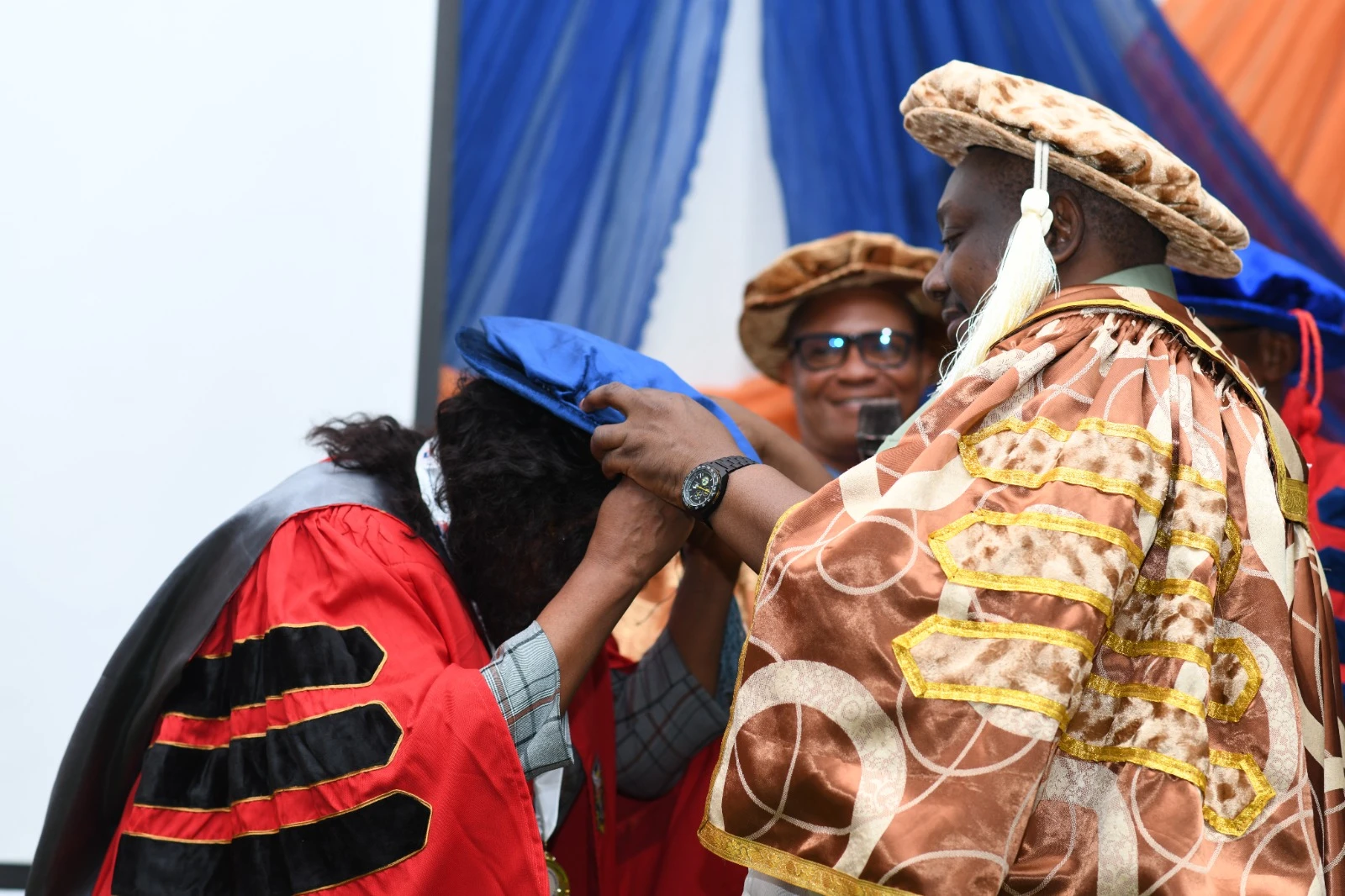
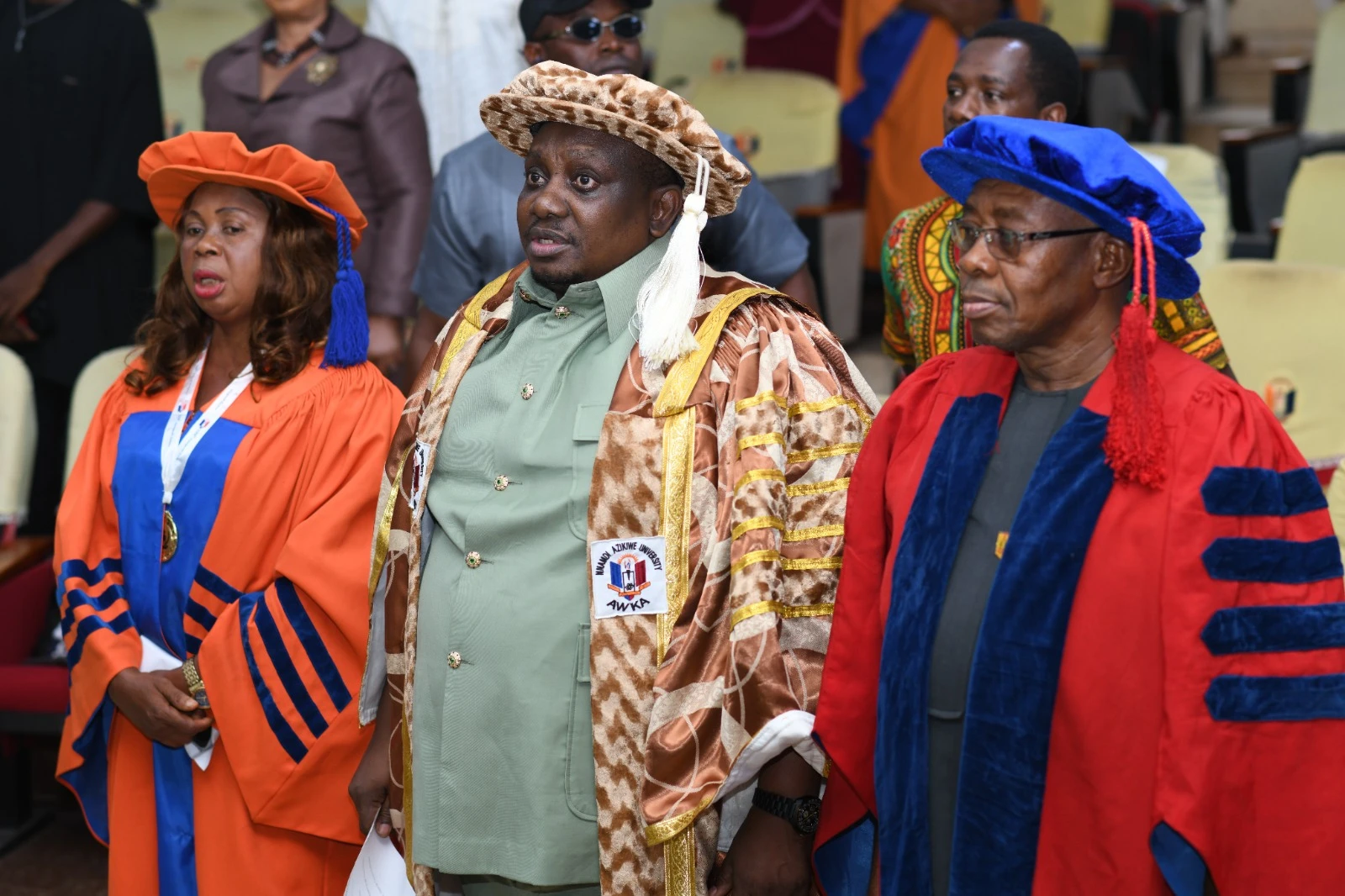
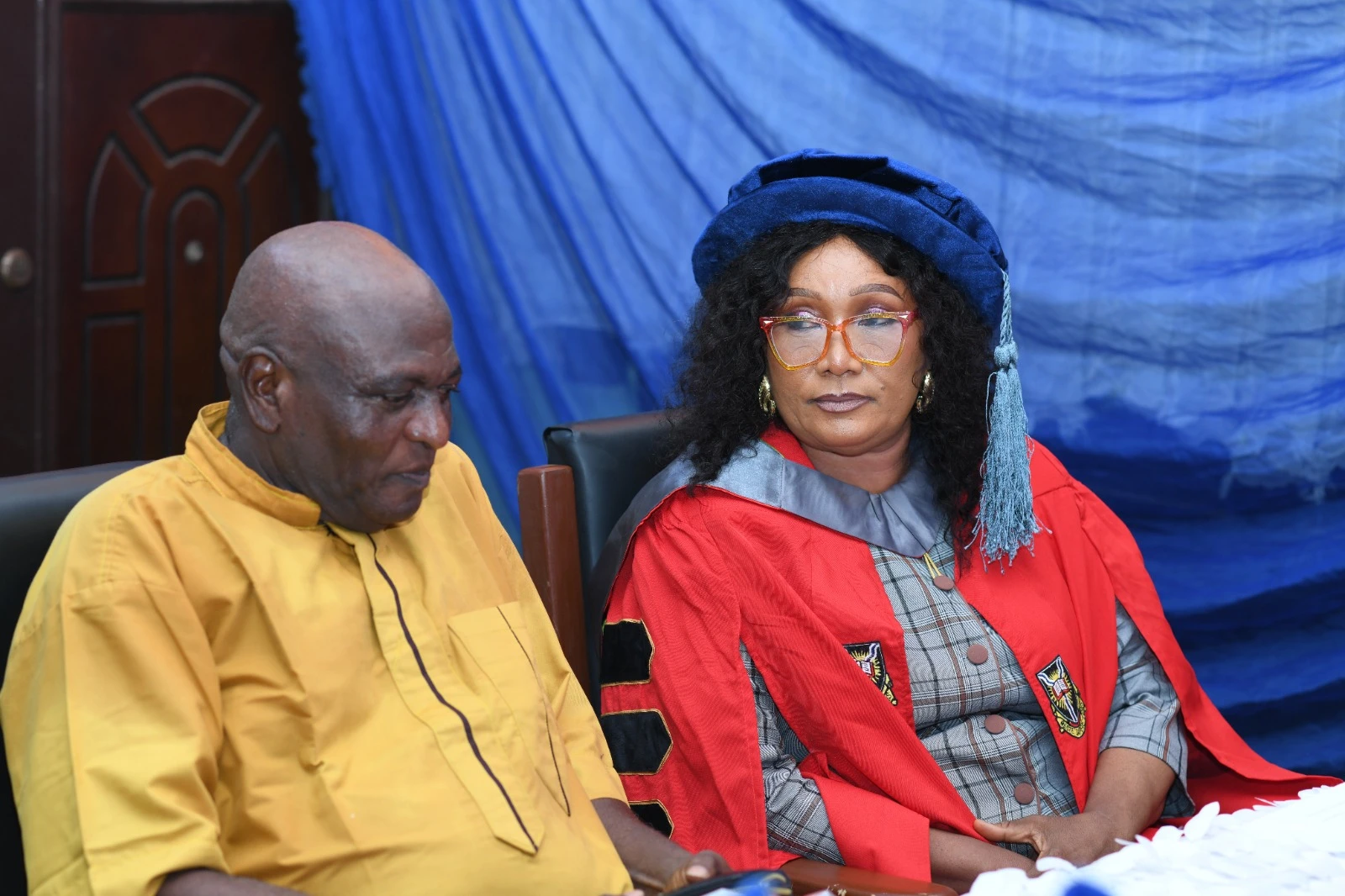
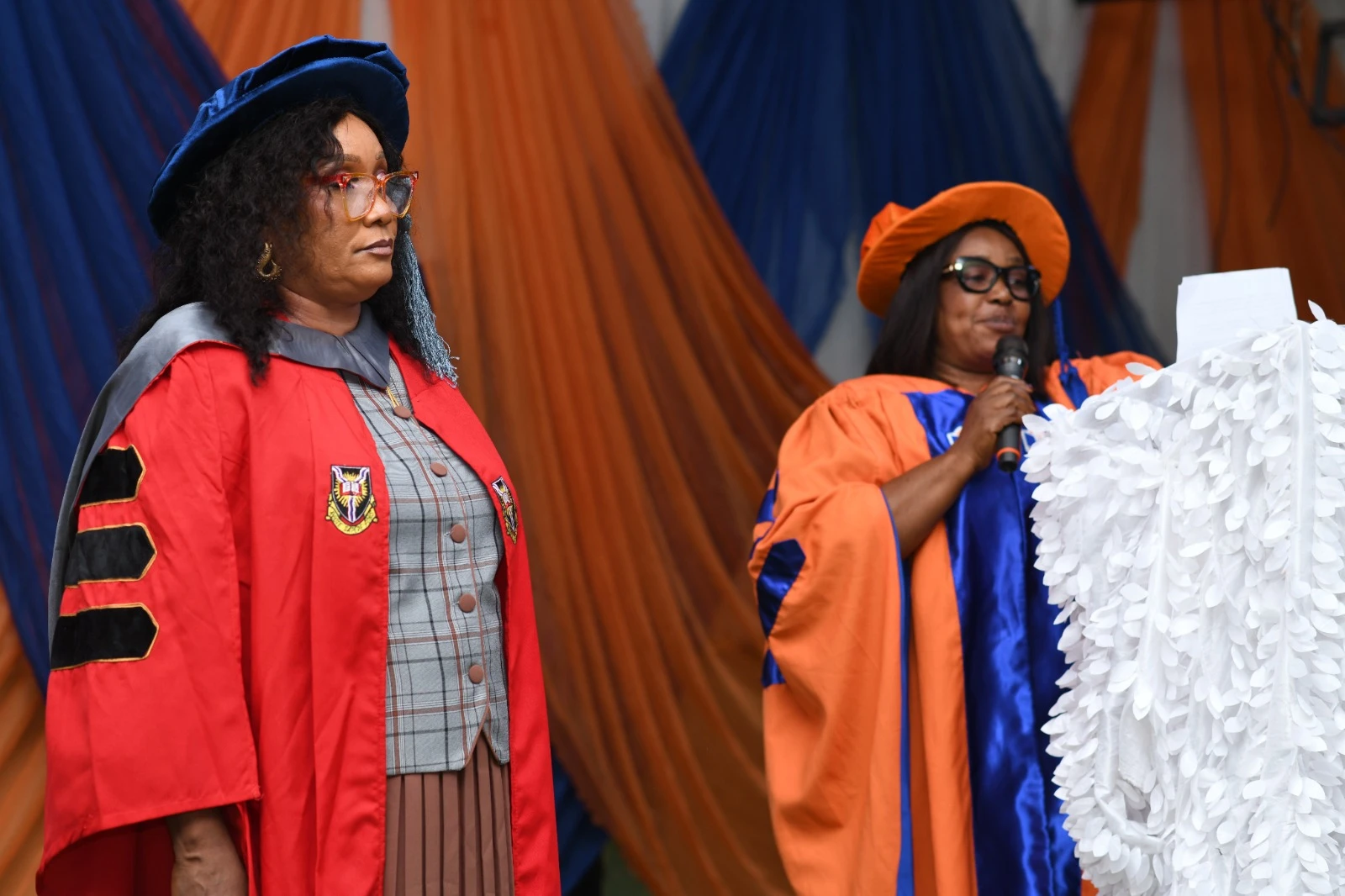
The highlight of the event was the decoration of Prof. Helen Ebunoluwa Adebola as the 130th Inaugural Lecturer of Nnamdi Azikiwe University by the Vice-Chancellor.
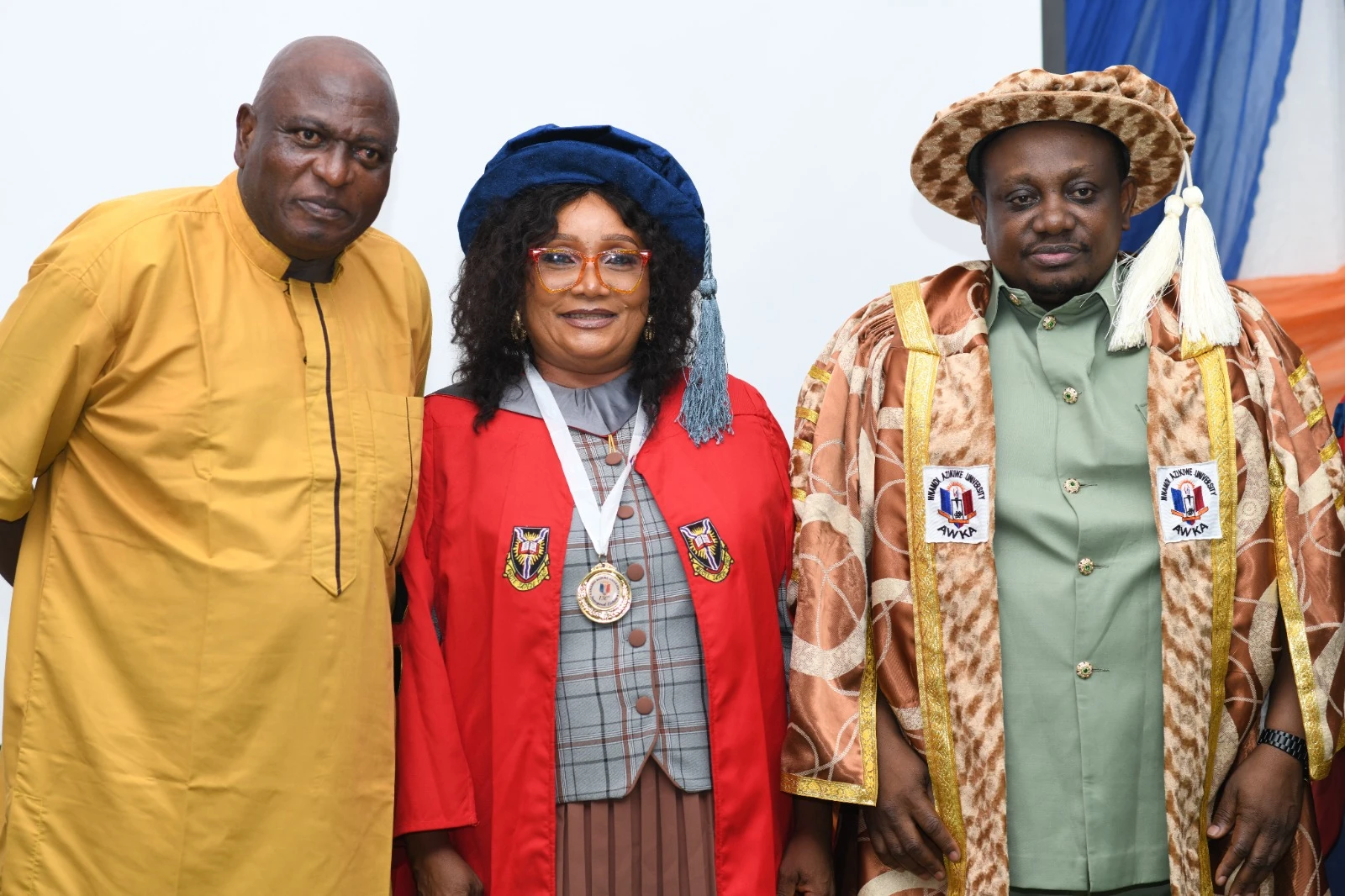
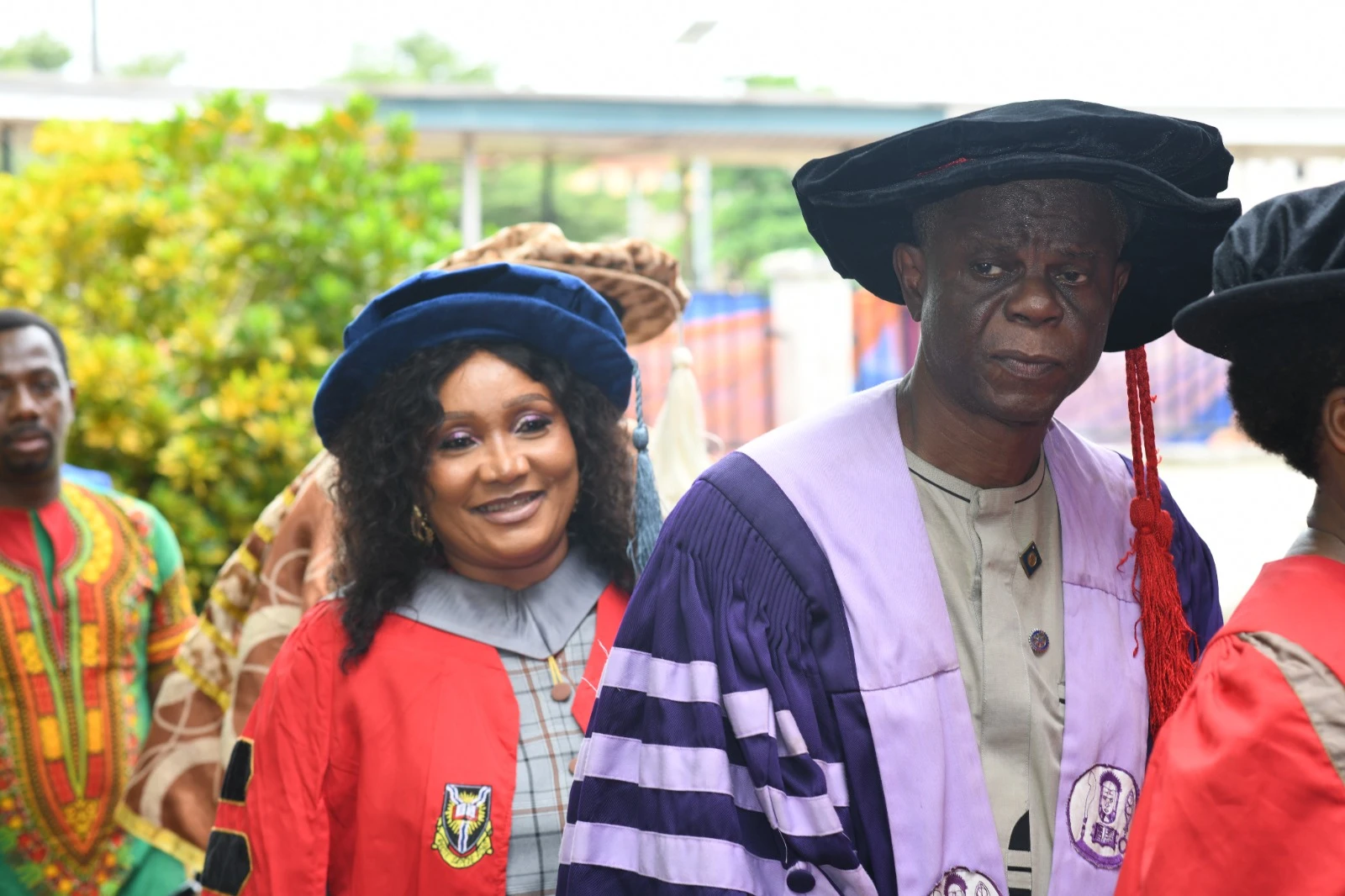
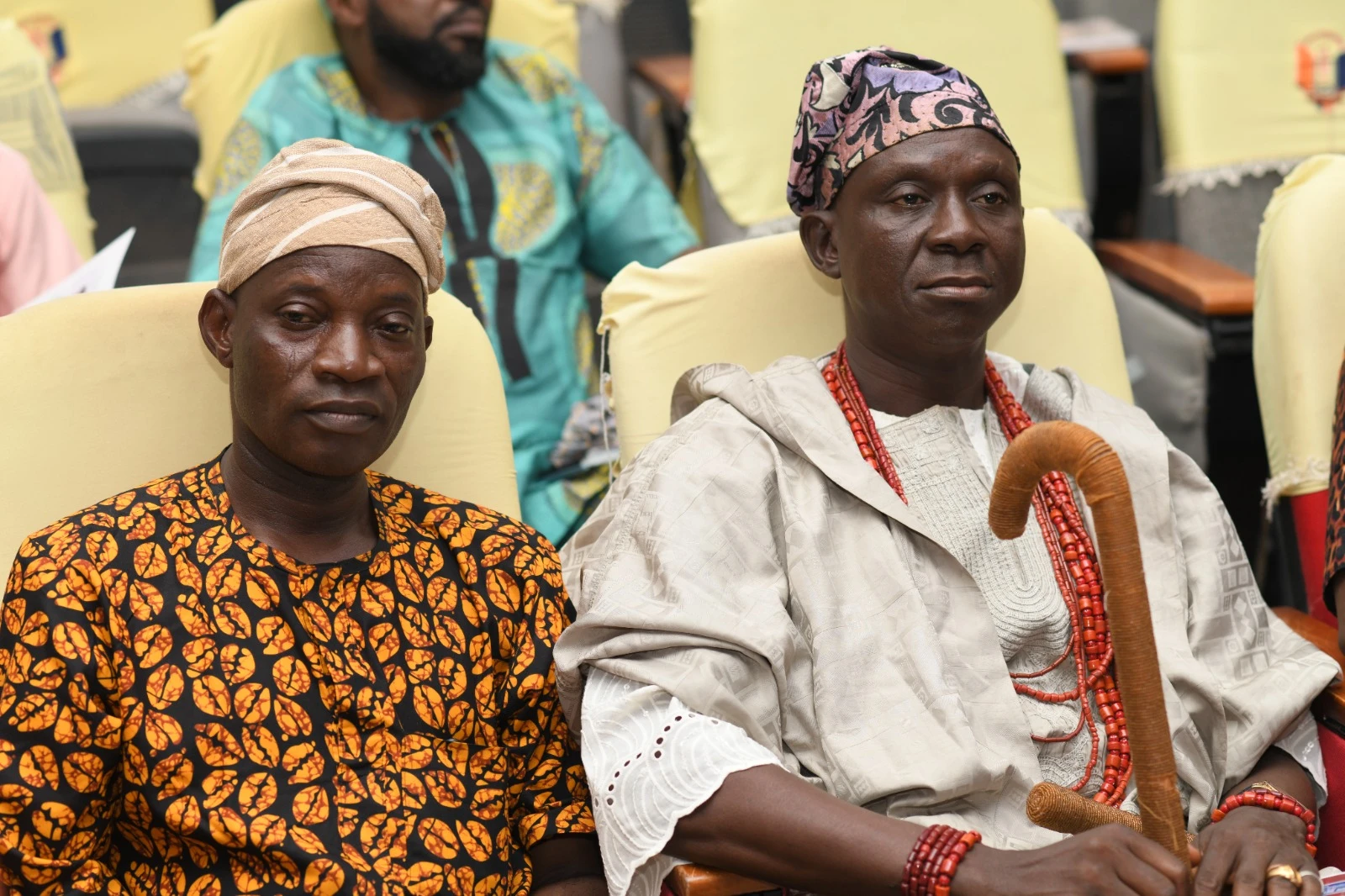
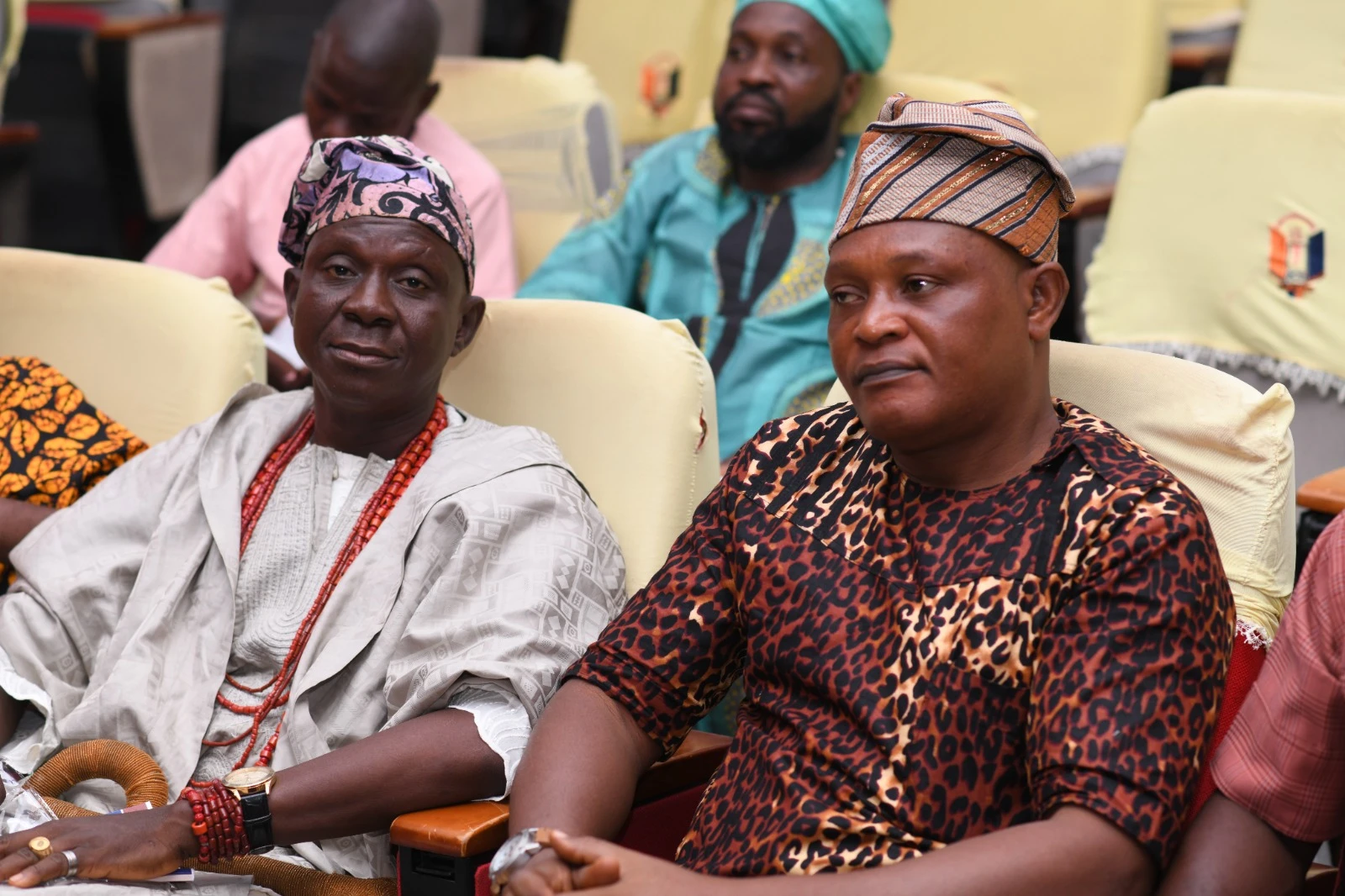
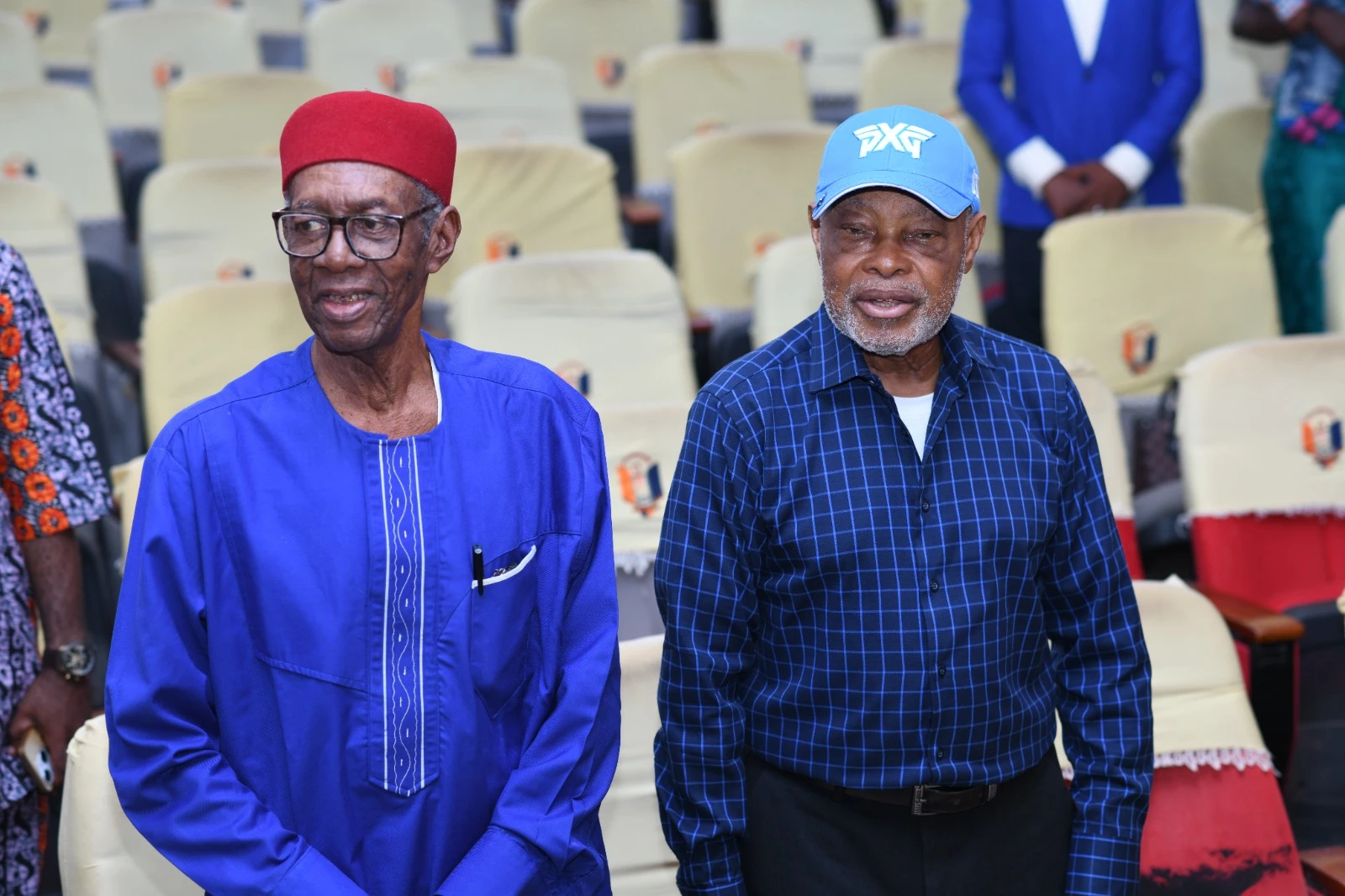
Other dignitaries present included Pastor David Adebola, husband of the inaugural lecturer; Prof. Ebele Chinelo Okigbo, Dean of the Faculty of Education; former Deputy Vice-Chancellors, Prof. R. Egwuatu and Prof. Fredrick J. C. Odibo; and Prof. Raph Okigbo, a major donor and representative of the Rotary Club, Chairman of the Inaugural Lecture Committee, Prof. Josephat Ogbuagu, Kabiyesi of the Yoruba Community in Anambra alongside other members of the University community and invited guests.
Public Relations Unit, 2026
← Back to News

