
MUSIC, THE FOOD OF THE SOUL

UNIZIK’S 131ST INAUGURAL LECTURER, PROF. EUNICE UKAMAKA IBEKWE EXPLORES THE CULTURAL AND HUMAN SIGNIFICANCE OF AFRICAN TRADITIONAL MUSIC
Nnamdi Azikiwe University, Awka, held its 131st Inaugural Lecture, with Professor Eunice Ukamaka Ibekwe of the Department of Music, Faculty of Arts, examining the cultural, social, educational and human significance of African traditional music beyond its entertainment value.
The lecture, titled “African Traditional Music Beyond Entertainment: A Musicologist’s Inquest into Cultural and Human Existential Imperatives,” was delivered on Thursday, November 26, 2026, at the Zephaniah Madubuko Memorial Auditorium, UNIZIK.
In her presentation, Prof. Ibekwe argued that African traditional music should not be understood merely as a source of entertainment, but as an essential part of human existence and a powerful instrument for cultural preservation, education, social development and moral guidance.

Prof. Ibekwe explained that music in African societies is deeply rooted in the people's cultural, philosophical and social experiences. Its performance and appreciation are often determined by the nature of an event, the emotions associated with it and the values of the community.
According to her, the meaning of traditional African music is closely connected to its context, purpose and appropriateness to particular occasions.
The musicologist identified several functions of African traditional music, including cultural preservation, education, social interaction, religious expression, documentation of history, human development and conflict resolution.

She noted that traditional songs preserve the beliefs, customs, proverbs, values and collective identity of communities, thereby providing a means through which cultural knowledge is transmitted from one generation to another.
On the educational value of music, Prof. Ibekwe explained that folk songs and children's songs help to communicate moral lessons, societal norms and useful knowledge. She observed that songs make learning easier by helping children remember information and understand concepts through familiar melodies and lyrics.
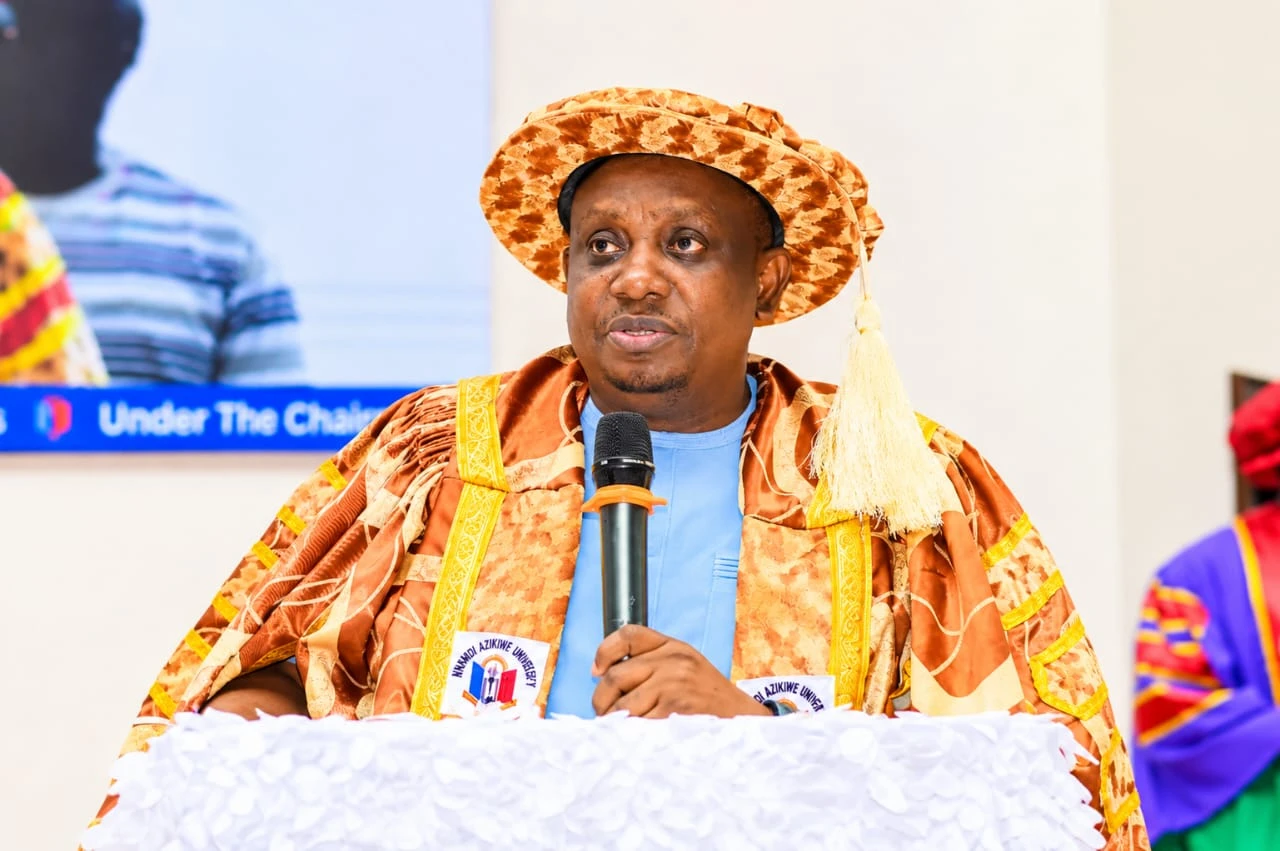
She further discussed the role of music in documenting historical experiences, citing South African freedom songs as examples of how music preserved the struggles and experiences of the apartheid era noting that the compilation of such songs would enable younger generations to understand the country's history and appreciate the experiences of those who lived through that period.
Prof. Ibekwe also described music as an instrument of moral regulation, explaining that traditional songs could condemn unacceptable behaviour, encourage positive conduct and reinforce the values expected of members of a community adding that music contributes to human development across social, emotional, cognitive and physical dimensions.
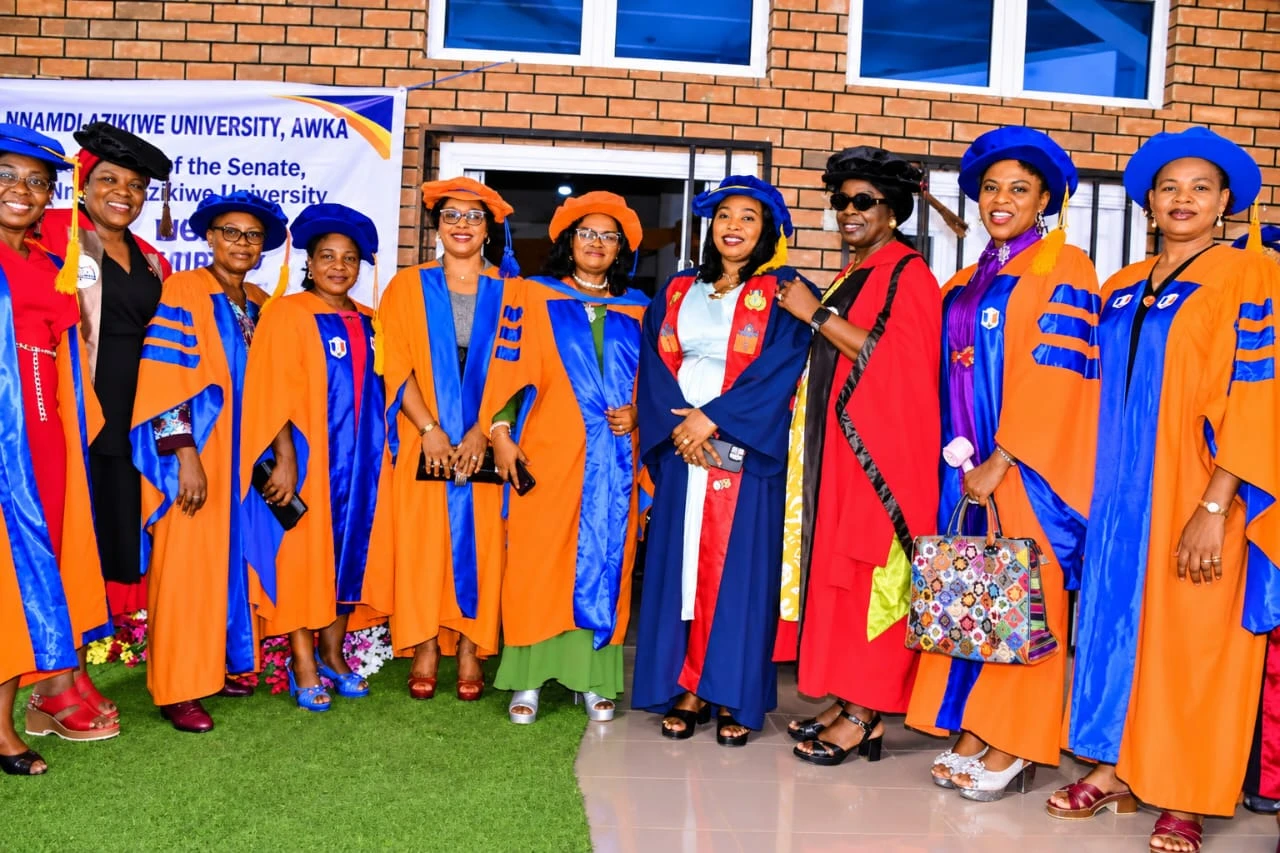
Distinguishing between traditional and contemporary music, she explained that traditional music evolves from communal experiences and is transmitted across generations while retaining its cultural essence. She classified traditional music into occasional, recreational and incidental forms, explaining that occasional music is associated with specific ceremonies and life events, recreational music serves leisure and enjoyment, while incidental music expresses spontaneous emotions and situations.

The Musicologist also examined music as both a science and an art, highlighting its interconnection with other disciplines in the humanities and sciences. According to her, the aesthetic quality of African musical expression is shaped by the totality of a people's culture, beliefs and lived experiences.
Earlier, the Vice-Chancellor, Professor Ugochukwu Bond Stanley Anyaehie, in his opening remarks, commended the Department of Music for the lecture and described music as an important aspect of human life that goes beyond entertainment.
Sharing a personal experience, he recalled his mother's involvement in music and how her singing left lasting impressions on him. He also referred to his research interest in the effect of music pitch on electrical brain activity in youths, further underscoring the relationship between music and human development.
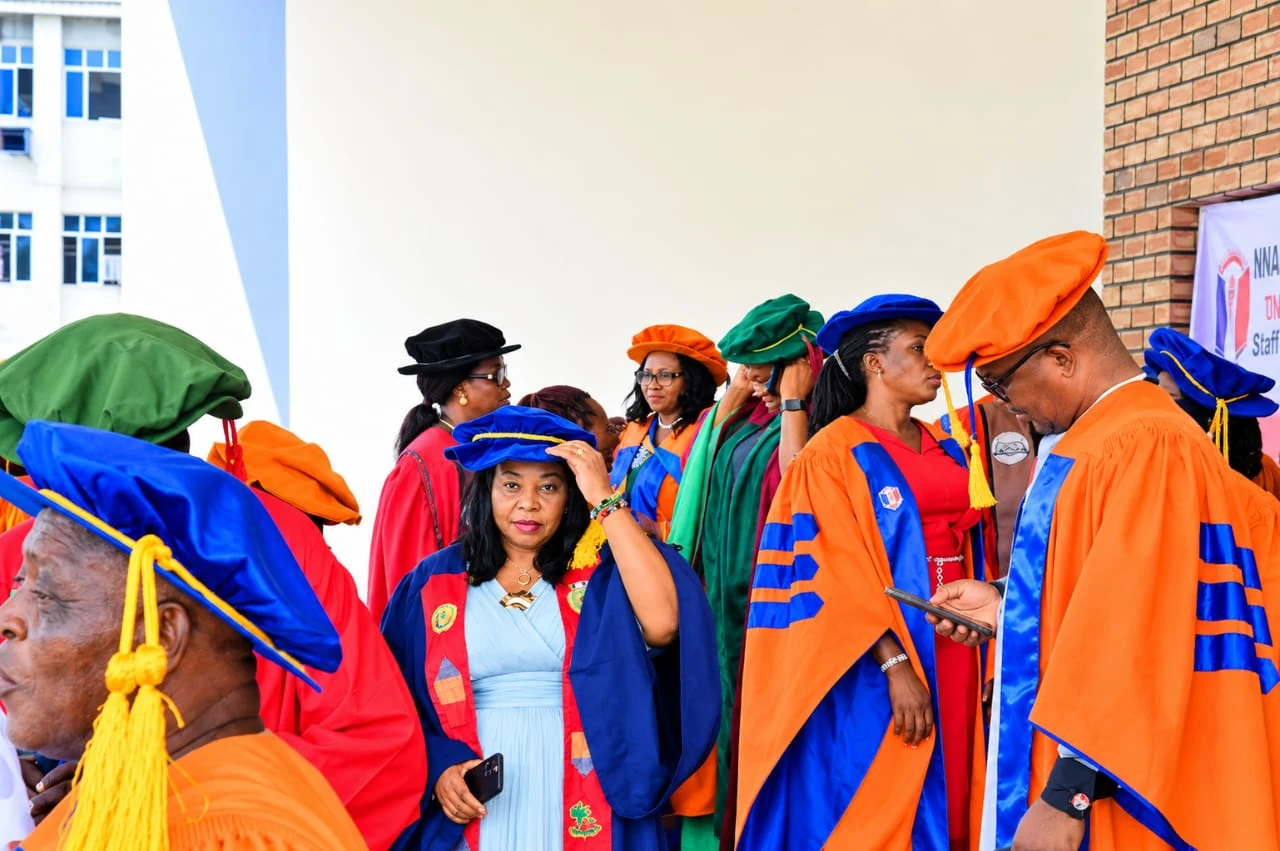
Earlier, the citation of the inaugural lecturer was presented by Dr. Onyekachukwu Ibekwe who highlighted Prof. Ibekwe's academic journey, research contributions and professional achievements in musicology and ethnomusicology.
The citation also acknowledged her scholarly publications, conference presentations, supervision of postgraduate students and contributions to music education and the preservation of African musical heritage.
Following the lecture, Professor Alex Asigbo, the Deputy Vice Chancellor, on behalf of the Vice-Chancellor, formally decorated Professor Ibekwe as the 131st Inaugural Lecturer.
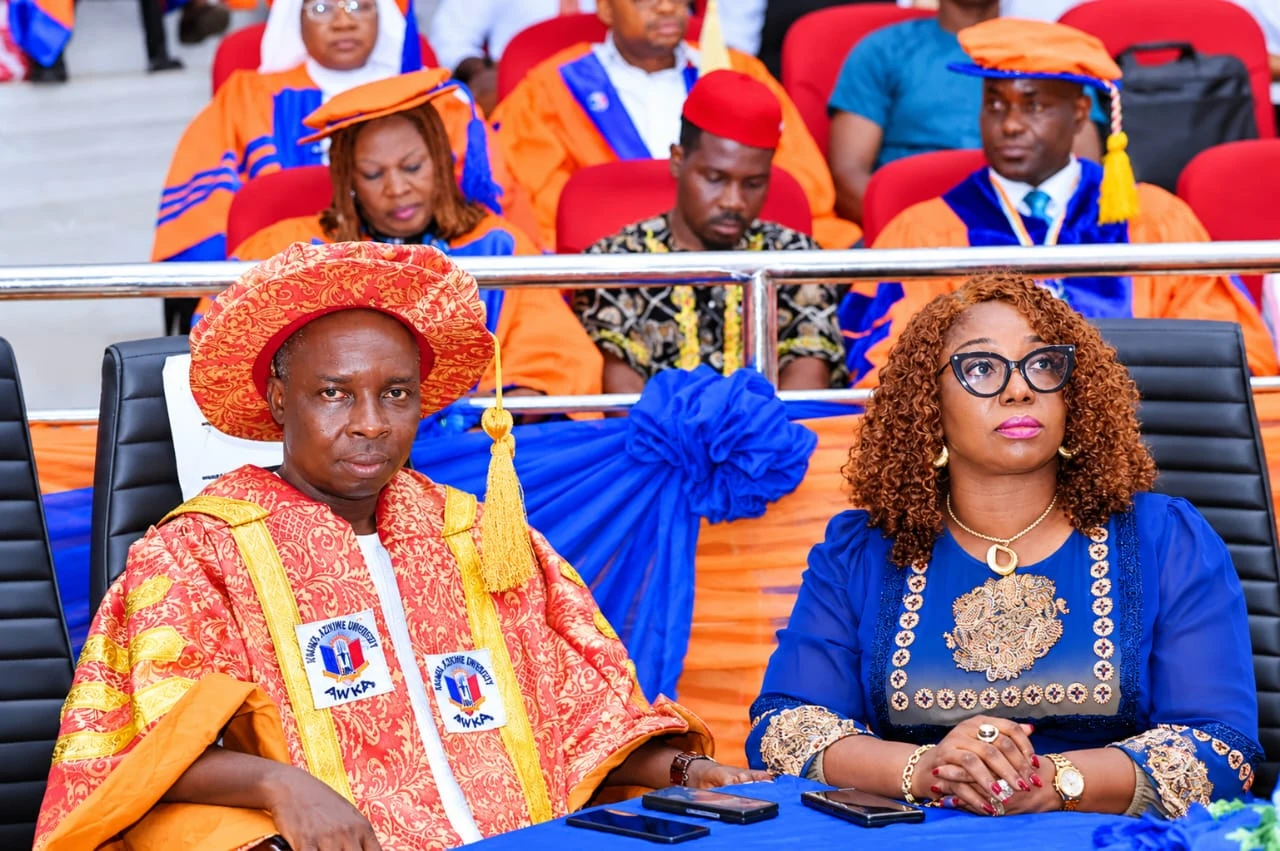
Prof. Asigbo commended her for an excellent scholarly presentation, noting that the lecture had demonstrated her academic depth and contributions to the field.
The Chairman of the Inaugural Lecture Committee, Prof. Josephat O. Ogbuagu during his vote of thanks, appreciated the Vice-Chancellor for presiding over the occasion, the inaugural lecturer for an engaging presentation and musical experience, and all guests and members of the university community whose presence and contributions ensured the success of the event.
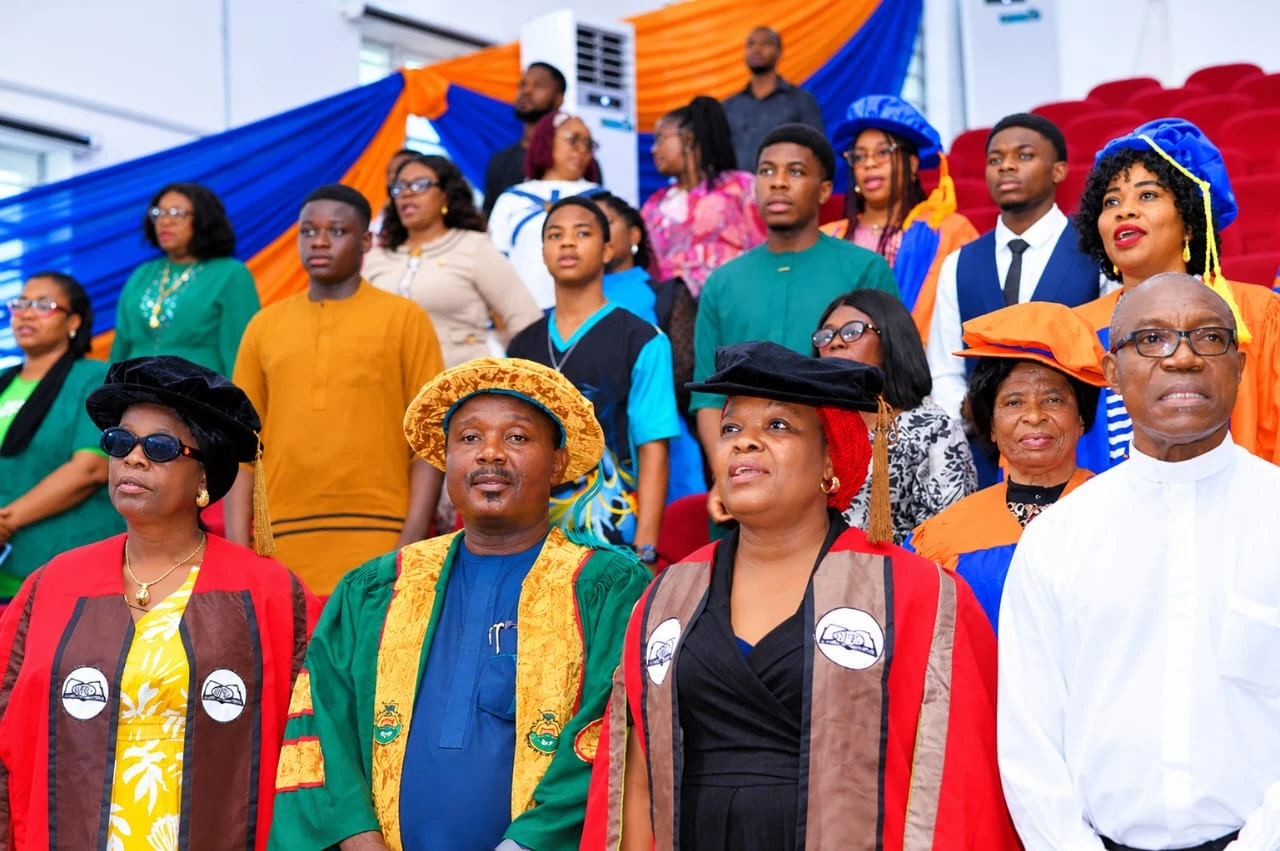
Other dignitaries present during the lecture included:The University Registrar, Dr Gloria Chinenye Okeke and other principal officers of the University, Prof. Chike Okoye, Prof. Emma Okunna, Prof. Adaobi Okoye and others.
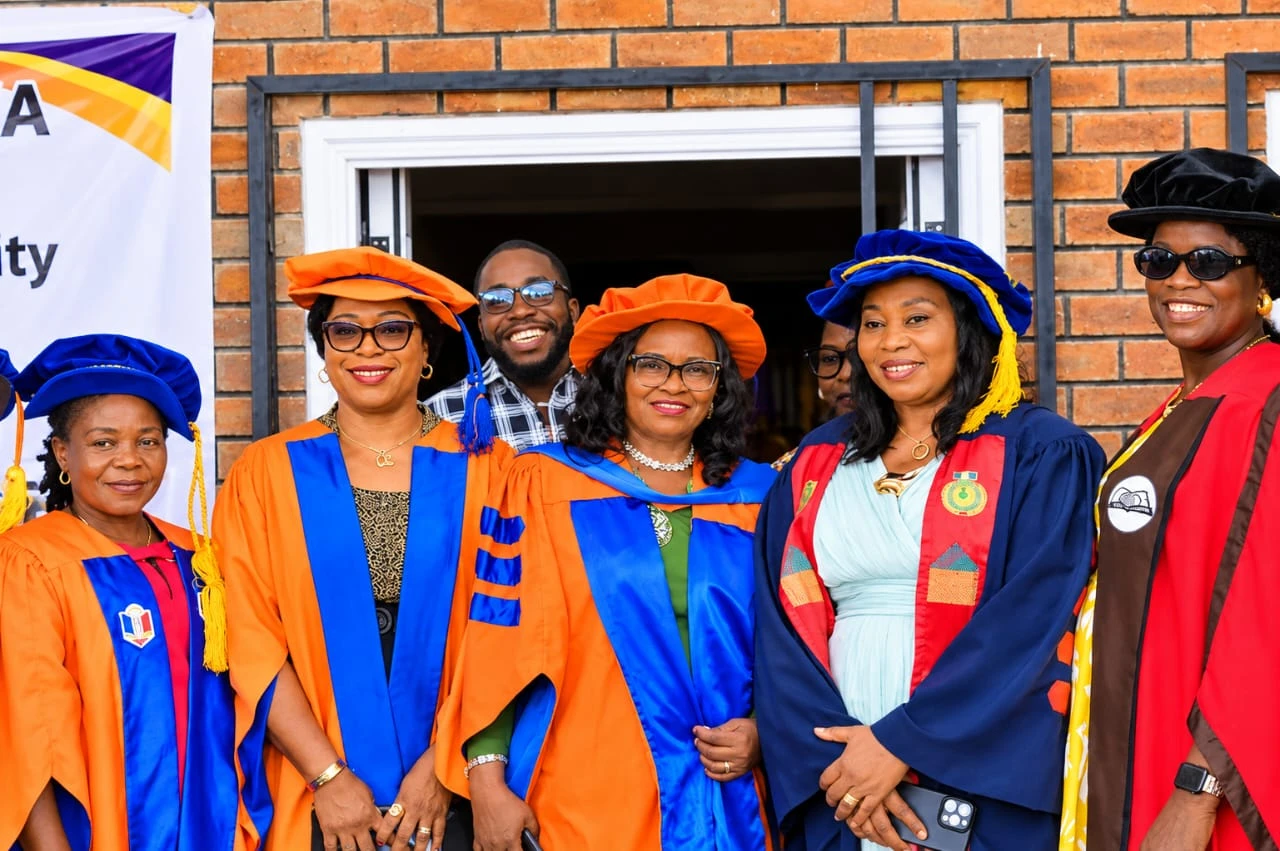
The lecture reinforced the importance of African traditional music as a repository of cultural identity, historical memory and societal values, while drawing attention to its continuing relevance to human development and contemporary society.
Public Relations Unit, UNIZIK
(©2026)
← Back to News


