
Public Lecture
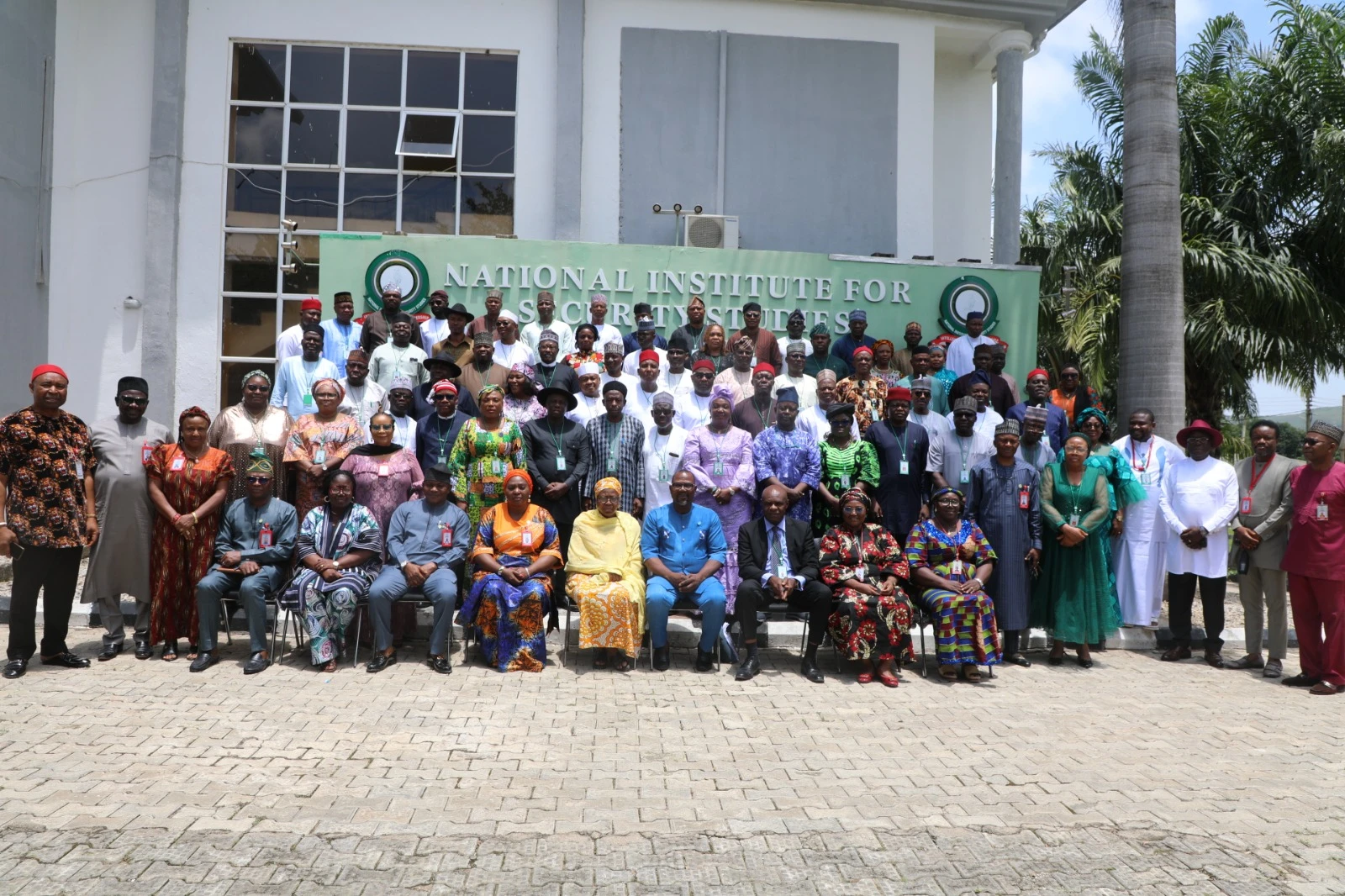
At NISS Abuja lecture, UNIZIK Professor Jaja Nwanegbo Urges Intelligence-Led Approach to Prevent Radicalisation of Ethnic Grievances in Africa
Professor C. Jaja Nwanegbo of Nnamdi Azikiwe University (UNIZIK), Awka, has called for stronger intelligence-led early warning mechanisms, inclusive governance and equitable resource management to prevent socio-economic and political grievances from evolving into ethnic militancy and ideologically driven political movements across Africa.
Professor Nwanegbo made the call while delivering a lecture titled “From Grievances to Ideology: How Resource Competition Transforms Ethnic Militias into Political Movements in Africa” to participants of the Executive Intelligence Management Course 19 (EIMC 19), 2026, at the National Institute for Security Studies (NISS), Abuja, on August 7, 2026.
A Professor of Comparative Politics and Peace/Security Governance in the Department of Political Science, Nnamdi Azikiwe University, Professor Nwanegbo is also the Director of the Institute for Peace, Security and Development Studies (IPSDS) and Director of Research and Publications of the Nigerian Political Science Association.
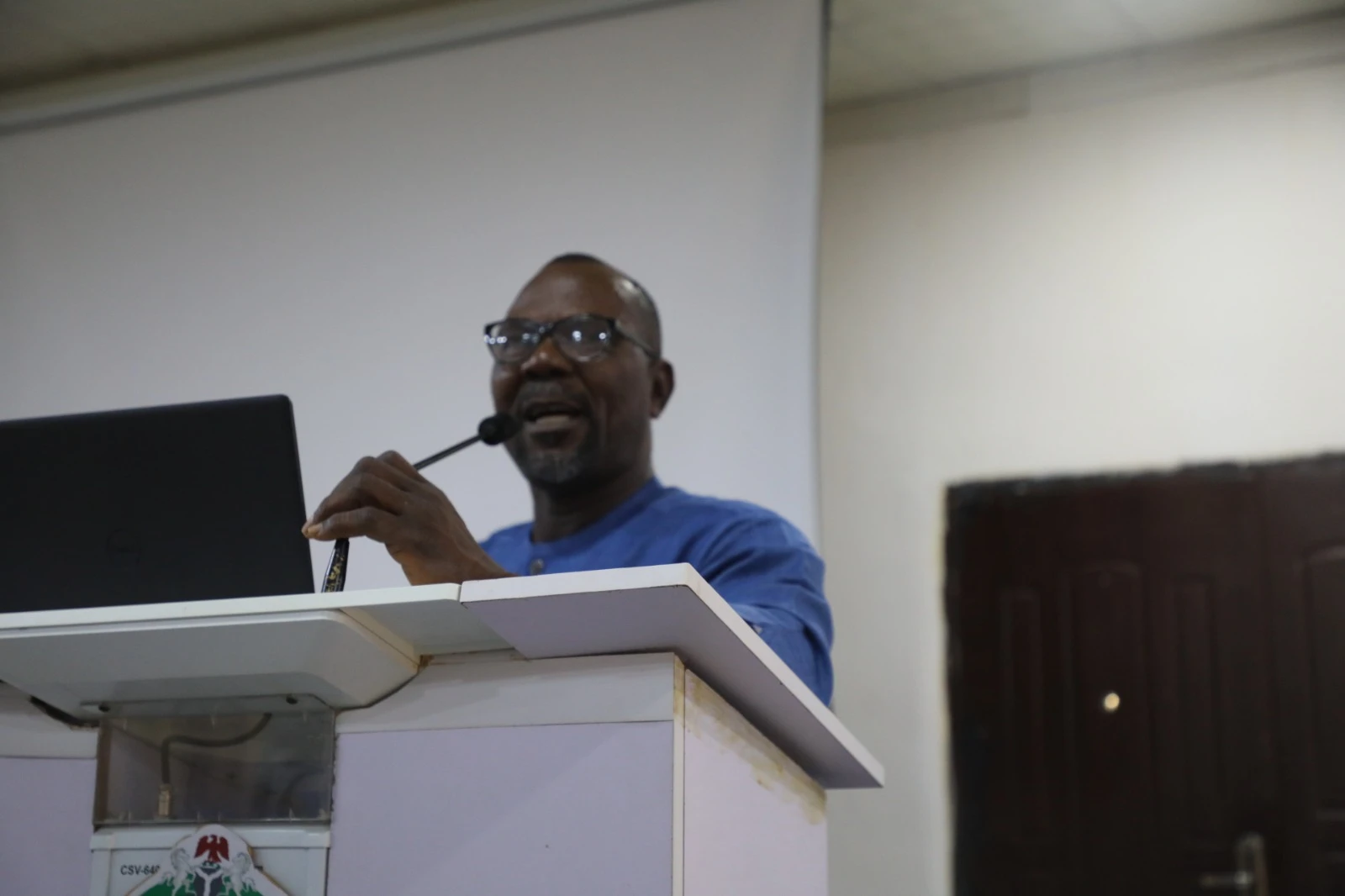
In the lecture, the scholar examined the complex relationship between competition for natural resources, political exclusion, weak governance, institutional failure and environmental injustice, arguing that these factors can provide fertile ground for the transformation of localised grievances into organised political resistance.
According to him, Africa's abundant natural resources—including petroleum, natural gas, gold, diamonds, timber, uranium, cobalt, fertile land and freshwater—have paradoxically contributed to instability and underdevelopment in several resource-rich communities where populations perceive themselves as excluded from the benefits of resource exploitation.
Professor Nwanegbo stressed that resource competition alone does not cause violent conflict. Rather, conflict becomes more likely when resource competition interacts with poor governance, political marginalisation, unequal distribution of resources, institutional weakness, environmental degradation and elite manipulation.
Using comparative examples from Nigeria's Niger Delta, the Tuareg resistance movements in Mali and Niger, the Sudan/South Sudan liberation struggle, and armed movements in eastern Democratic Republic of Congo, he demonstrated how grievances over resources, political representation and community security can gradually acquire ethnic and ideological dimensions.
From grievances to political movements
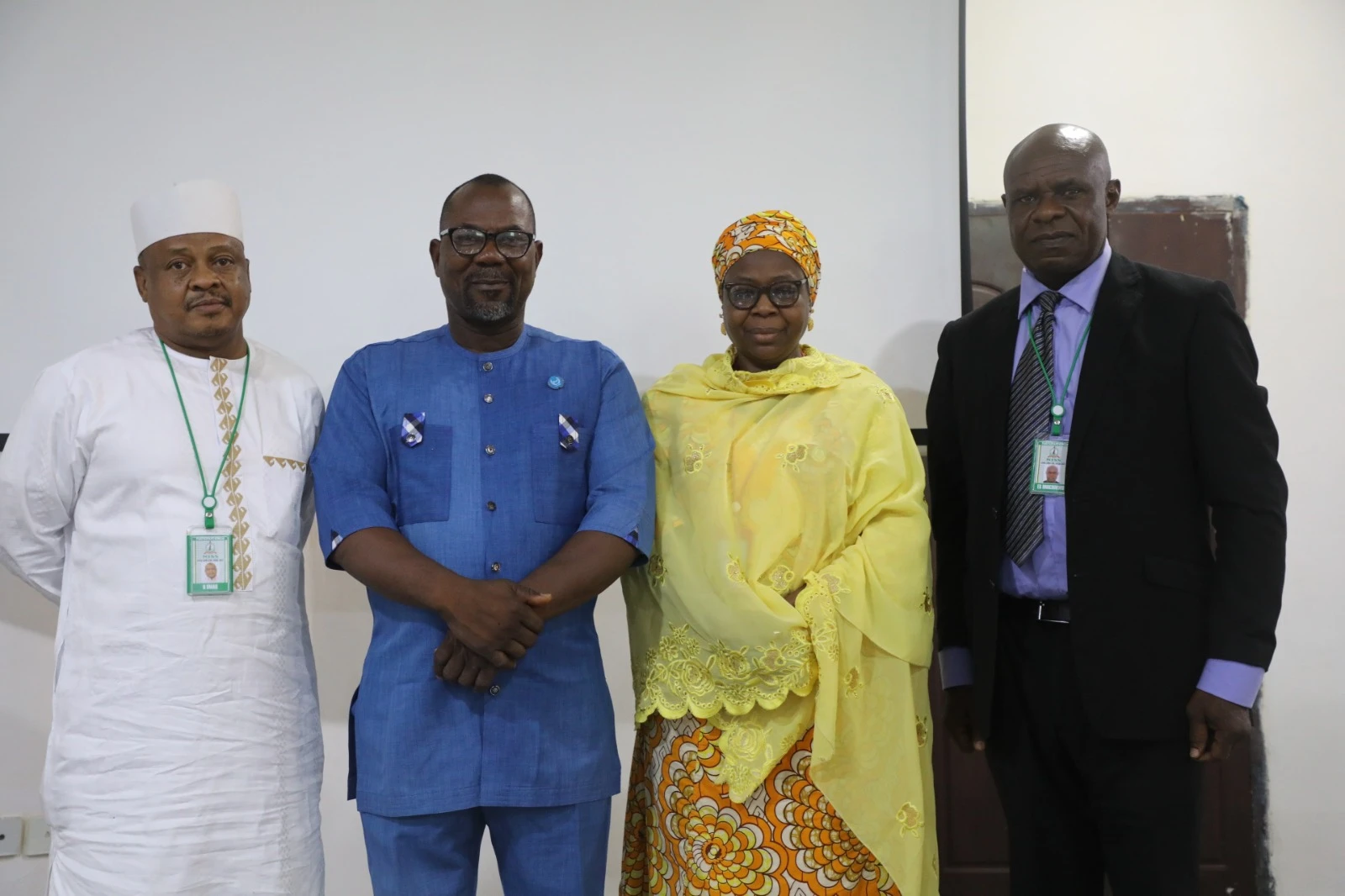
The Professor identified three major processes through which ethnic militias can evolve into broader ideological political movements.
The first is ideological framing, through which specific grievances such as environmental destruction, land dispossession, unequal resource distribution or political exclusion are transformed into broader demands for justice, autonomy, self-determination, resource control or political restructuring.
The second is organisational institutionalisation, whereby armed groups develop leadership structures, communication networks, recruitment mechanisms, political and military wings, and other structures that enable them to sustain their activities and project themselves as representatives of particular communities.
The third is political engagement beyond the battlefield, through which armed organisations seek political legitimacy, representation and influence beyond military confrontation.
According to Professor Nwanegbo, the Niger Delta experience illustrates how environmental and economic grievances can evolve into broader struggles for minority rights, resource control and political justice. He also examined the Tuareg movements in the Sahel, the SPLM/A experience in Sudan and the activities of armed groups in eastern Congo to demonstrate the different trajectories that such transformations can take.
Warning against over-reliance on military force
Professor Nwanegbo cautioned that purely coercive or military responses may not provide sustainable solutions to conflicts rooted in political, economic and environmental grievances.
He argued that when legitimate grievances are treated exclusively as security threats, states risk deepening feelings of alienation and strengthening militant narratives. Security agencies, he said, must therefore develop a deeper understanding of the socio-political environments in which conflicts emerge and distinguish between peaceful demands for justice and organisations pursuing violent political objectives.
He further advocated a shift from intelligence systems that focus predominantly on immediate threats such as weapons acquisition and armed mobilisation to early-warning mechanisms capable of detecting the social, political, economic and environmental conditions that precede violent mobilisation.
Such indicators, he noted, include increasing disputes over land, water and other resources; growing perceptions of political exclusion; environmental degradation; declining public trust in state institutions; ethnic and regional grievance narratives; proliferation of community defence groups; and rising hate speech and identity-based political rhetoric.
Calls for inclusive governance and youth empowerment
The UNIZIK Professor recommended stronger and more transparent resource governance, with greater community participation in decisions concerning ownership, benefit-sharing and environmental protection.
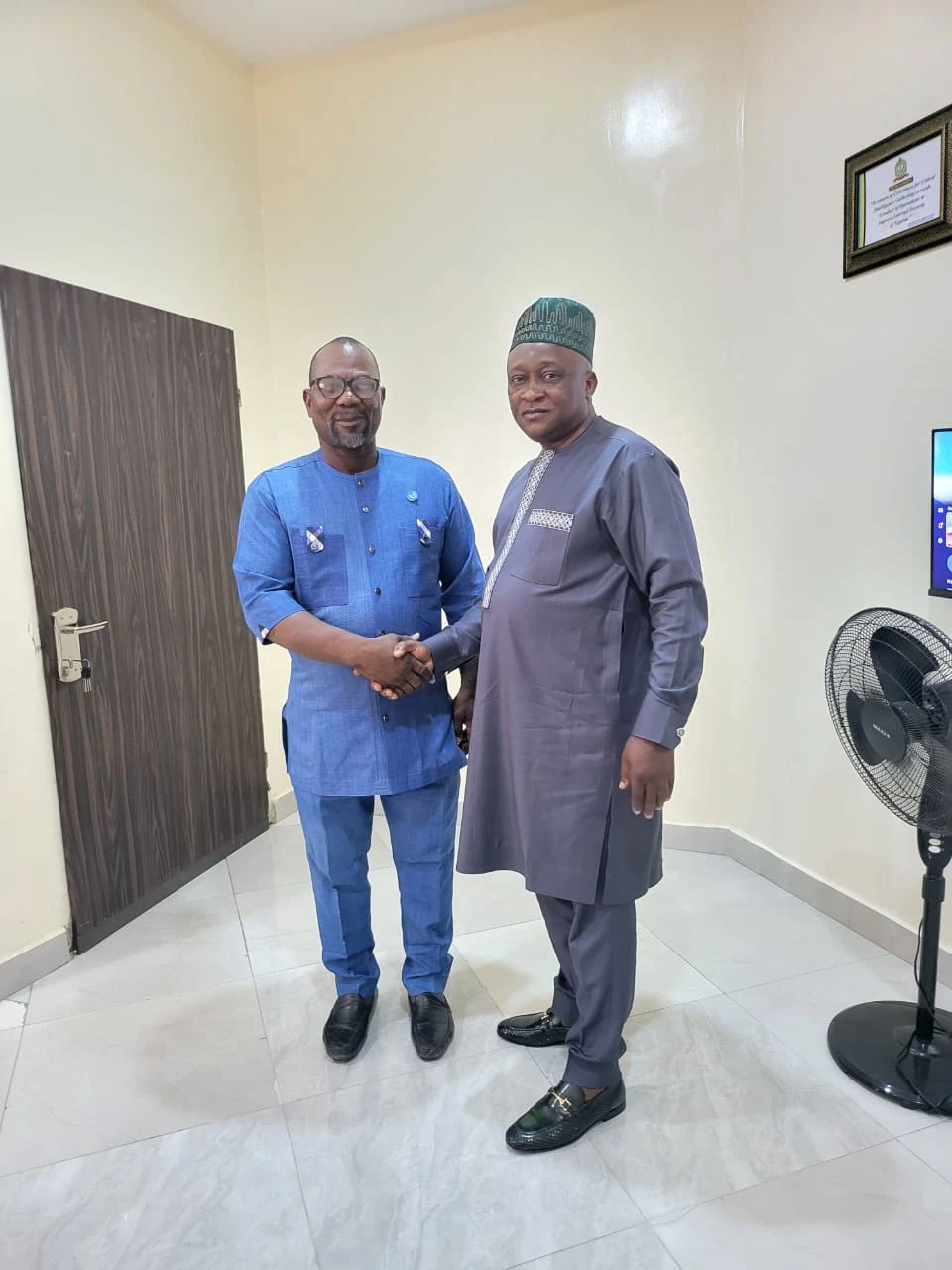
He also called for more inclusive political institutions that provide peaceful avenues for citizens and communities to express grievances and seek redress. According to him, when citizens lose confidence in elections, courts, legislatures and other institutions, they may become increasingly receptive to non-state actors offering alternative forms of representation.
Professor Nwanegbo equally identified youth empowerment as a security strategy, urging governments to expand employment opportunities, vocational training, entrepreneurship support, civic education and youth participation in governance to reduce vulnerability to militia recruitment.
He concluded that African countries must move beyond narrow security responses and address the structural conditions that make violent mobilisation possible, noting that resource competition becomes particularly dangerous when combined with weak institutions, exclusionary governance and political failures.
He emphasised that a comprehensive understanding of how grievances evolve into ideological movements would provide critical lessons for intelligence agencies, policymakers and security institutions seeking to prevent violent conflict and promote sustainable peace and political stability across Africa.
← Back to News


